
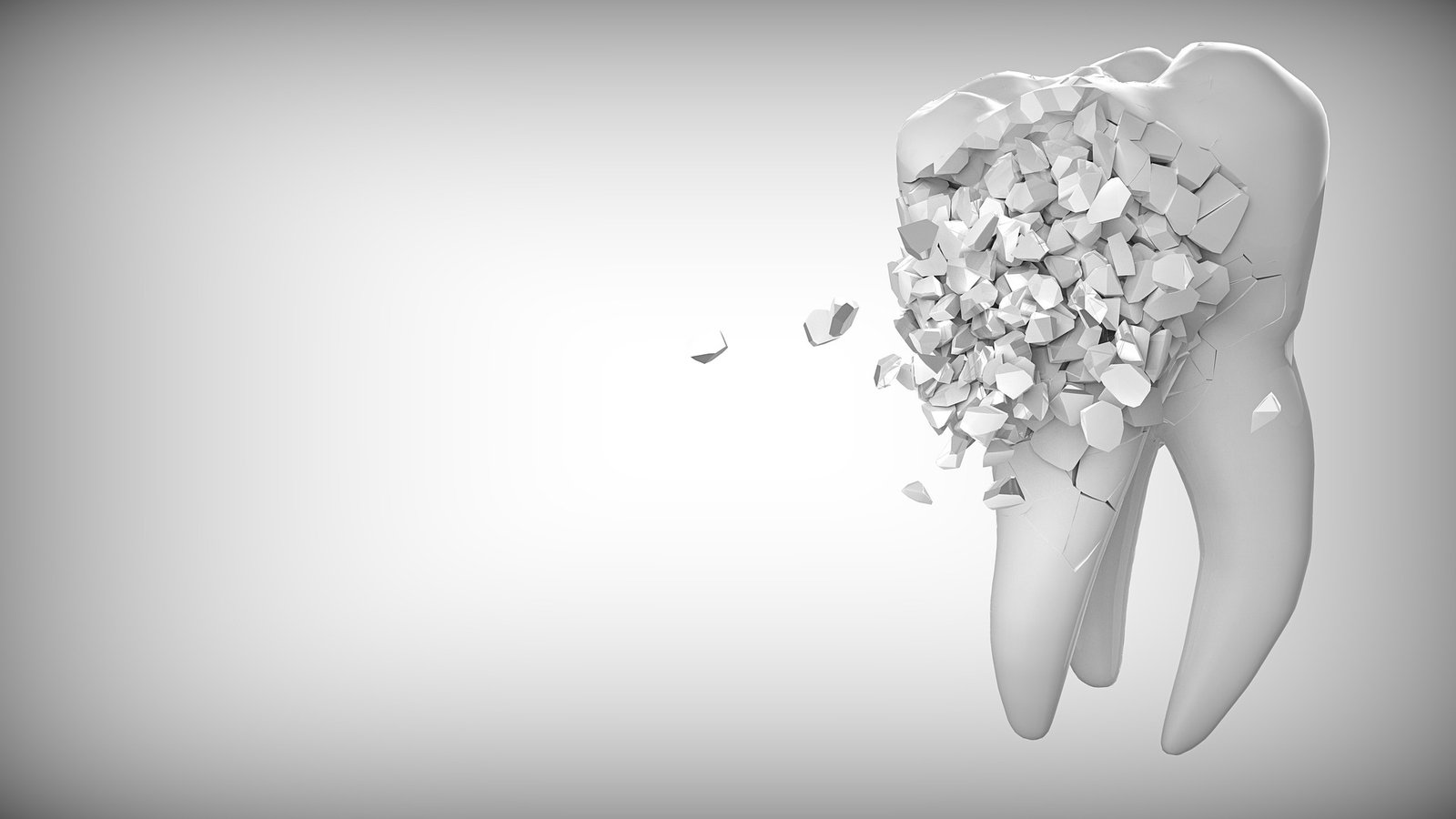
A chipped or broken tooth is a common dental problem that many people experience at some point in their lives. While some fractures may be minor and affect only the outer layer of the tooth, others can be serious and involve deeper structures, including the nerve or even the root of the tooth.
Understanding the causes, symptoms, and treatment options for fractured teeth can help you seek timely dental care and prevent further damage.
Common Causes of Broken or Chipped Teeth
Teeth are strong, but they can still break under certain conditions. Some of the most common causes include:
1. Biting Hard Foods
Biting into hard candies, ice, refrigerated chocolates, or other hard foods can cause teeth to chip or crack.
2. Using Teeth as Tools
Opening bottle caps or packages with your teeth can weaken the tooth structure and lead to fractures.
3. Teeth Grinding (Bruxism)
Habitual grinding or clenching of teeth puts excessive pressure on teeth, making them brittle and prone to chipping.
4. Sports Injuries or Trauma
People involved in contact sports like football, cricket, or hockey may experience dental injuries due to falls or collisions.
5. Tooth Decay or Old Fillings
Teeth weakened by cavities or large old fillings may fracture more easily.
Types of Tooth Fractures
Tooth fractures can vary depending on how deep the damage extends.
Enamel Crack (Craze Lines)
These are very fine cracks that affect only the enamel, the outer layer of the tooth. They are usually harmless and mainly a cosmetic concern.
Enamel Fracture
A small portion of the tooth chips off but affects only the enamel.
Enamel and Dentin Fracture
A larger part of the tooth breaks and exposes the dentin, the inner layer beneath enamel.
Fracture Involving the Nerve (Pulp)
If the fracture reaches the pulp (the nerve of the tooth), infection and severe pain may occur.
Root Fracture
In severe trauma, the root of the tooth may fracture. In such cases, the tooth may not always be saved.
Symptoms of a Cracked or Fractured Tooth
Some tooth fractures are obvious, but others may be difficult to detect. Common symptoms include:
- Sensitivity to hot or cold foods
- Pain while chewing or biting
- Pain when releasing biting pressure
- Intermittent or sudden tooth pain
- Swelling around the affected tooth
In certain cases, the crack may not be visible, a condition known as Cracked Tooth Syndrome, which requires a dentist’s examination for proper diagnosis.
Treatment Options for a Broken Tooth
The treatment depends on the severity of the fracture.
Minor Chips or Enamel Damage
A dentist can repair the tooth using a tooth-colored composite filling to restore the shape and appearance.
Moderate Fractures (Involving Dentin)
Fillings or restorative materials may be used to rebuild the damaged tooth.
Fracture Reaching the Nerve
If the pulp is infected, a root canal treatment may be required to save the tooth. A dental crown (cap) is usually placed afterward to strengthen the tooth.
Severe Root Fracture
If the root is badly damaged, the tooth may need to be extracted.
What Happens If a Broken Tooth Is Ignored?
Ignoring a chipped or cracked tooth can lead to serious complications. Bacteria can enter the tooth through the fracture and cause infection of the pulp. Over time, this may result in severe pain, abscess formation, or even tooth loss.
Early dental treatment can prevent these complications and save the tooth.
How to Prevent Tooth Fractures
Although accidents cannot always be avoided, several steps can reduce the risk of tooth fractures.
- Avoid biting very hard foods or ice
- Do not use your teeth to open objects
- Wear a sports mouthguard while playing contact sports
- Use a night guard if you grind your teeth during sleep
- Visit your dentist regularly for checkups
The Bottom Line
A broken or chipped tooth should never be ignored. Early diagnosis and treatment can restore the tooth and prevent further damage.
If you experience tooth sensitivity, pain while chewing, or notice a chipped tooth, it is best to visit your dentist promptly for evaluation and treatment.
Maintaining good oral hygiene and protecting your teeth from excessive force can go a long way in keeping your smile healthy.