
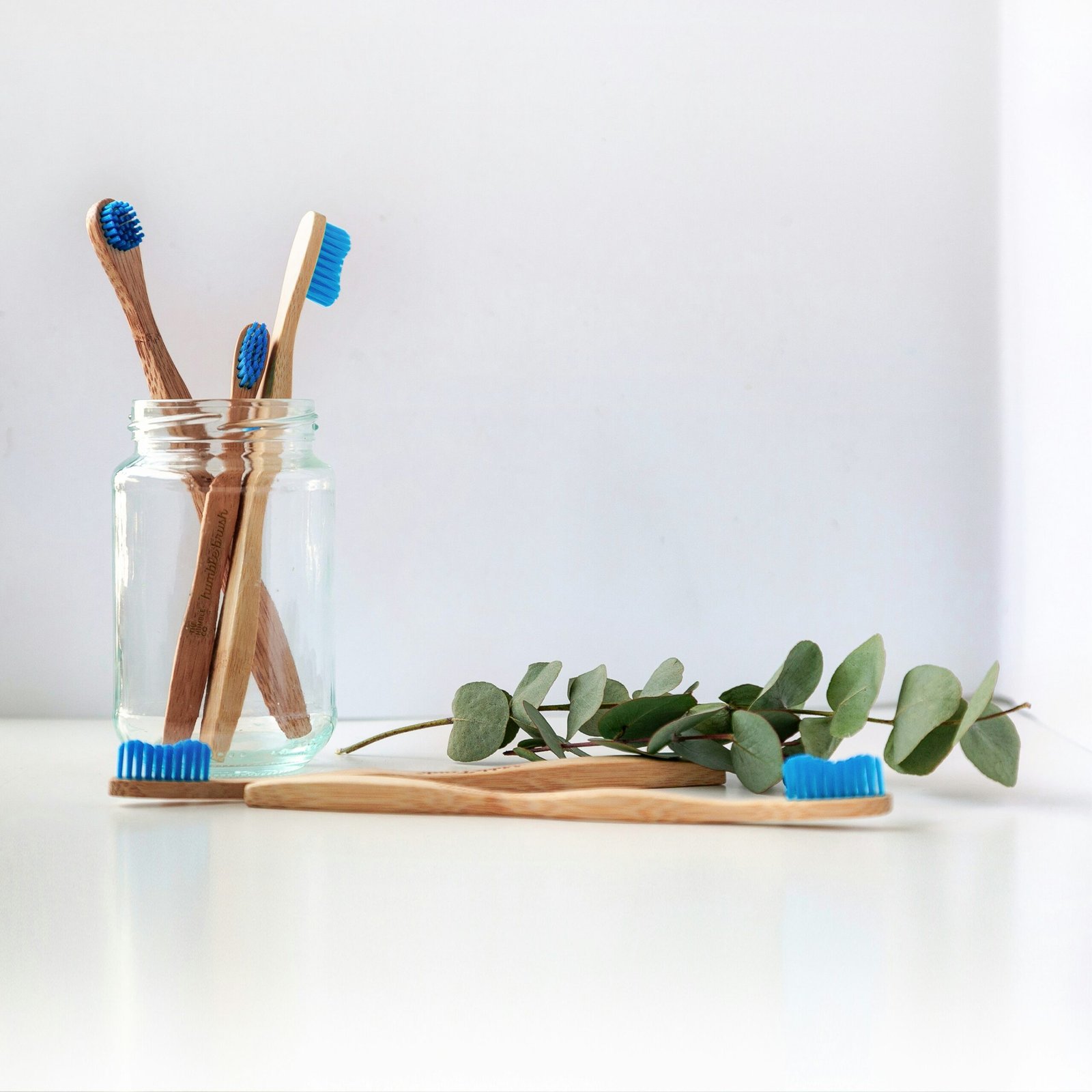
Maintaining good oral hygiene starts with one of the most basic tools we use every day — the toothbrush. While brushing twice daily is widely recommended, many people overlook an important question: Are you using and caring for your toothbrush the right way?
Dental experts emphasize that proper toothbrush selection, usage, and maintenance play a crucial role in keeping teeth and gums healthy.
Choosing the Right Toothbrush
Today, there are many types of toothbrushes available in the market, including manual, electric, and specially designed brushes for children or orthodontic patients. The choice of toothbrush should depend on the individual needs of the patient.
Most dentists recommend a soft-bristled toothbrush, as it effectively removes plaque while being gentle on the gums and enamel. Hard bristles can damage gum tissue and wear down tooth enamel over time.
For children, toothbrushes should be smaller in size and easy to hold, allowing them to develop proper brushing habits early. Parents should guide young children while brushing to ensure effective cleaning.
Patients undergoing orthodontic treatment (braces) may require specially designed toothbrushes that can clean around brackets and wires more efficiently.
How Often Should You Change Your Toothbrush?
One of the most common questions in dental care is: “How often should I replace my toothbrush?”
Dentists generally recommend changing your toothbrush every three months. Over time, the bristles become worn and less effective at cleaning teeth.
However, a toothbrush should be replaced even earlier if the bristles become frayed. Worn bristles cannot remove plaque properly and may lead to poor oral hygiene.
Another important situation where toothbrush replacement is advised is after recovering from an illness, such as a cold, flu, or infection. This helps prevent the possibility of reinfection.
Proper Toothbrush Hygiene
Maintaining your toothbrush properly is just as important as using it.
After brushing, always rinse the toothbrush thoroughly under running water to remove toothpaste and debris. Then shake off the excess water and store it upright in a clean, open container so that it can dry properly.
Keeping a wet toothbrush in a closed container may promote bacterial growth, which is not ideal for oral hygiene.
It is also important to store toothbrushes separately from those of other family members. Sharing toothbrushes or allowing them to touch each other can lead to the transfer of bacteria.
Avoid Common Toothbrush Mistakes
Many people make simple mistakes that can affect their dental health.
For example:
- Do not press too hard while brushing.
- Do not use the same toothbrush for too long.
- Do not share toothbrushes with others.
Gentle brushing with proper technique is more effective than aggressive brushing.
The Key to Healthy Teeth
A toothbrush may seem like a simple tool, but it plays a powerful role in maintaining healthy teeth and gums. Choosing the right toothbrush, replacing it regularly, and storing it hygienically can significantly improve your oral health.
Combined with twice-daily brushing, good oral hygiene habits, and regular dental checkups, these small steps can go a long way in preventing dental problems and ensuring a confident, healthy smile.