
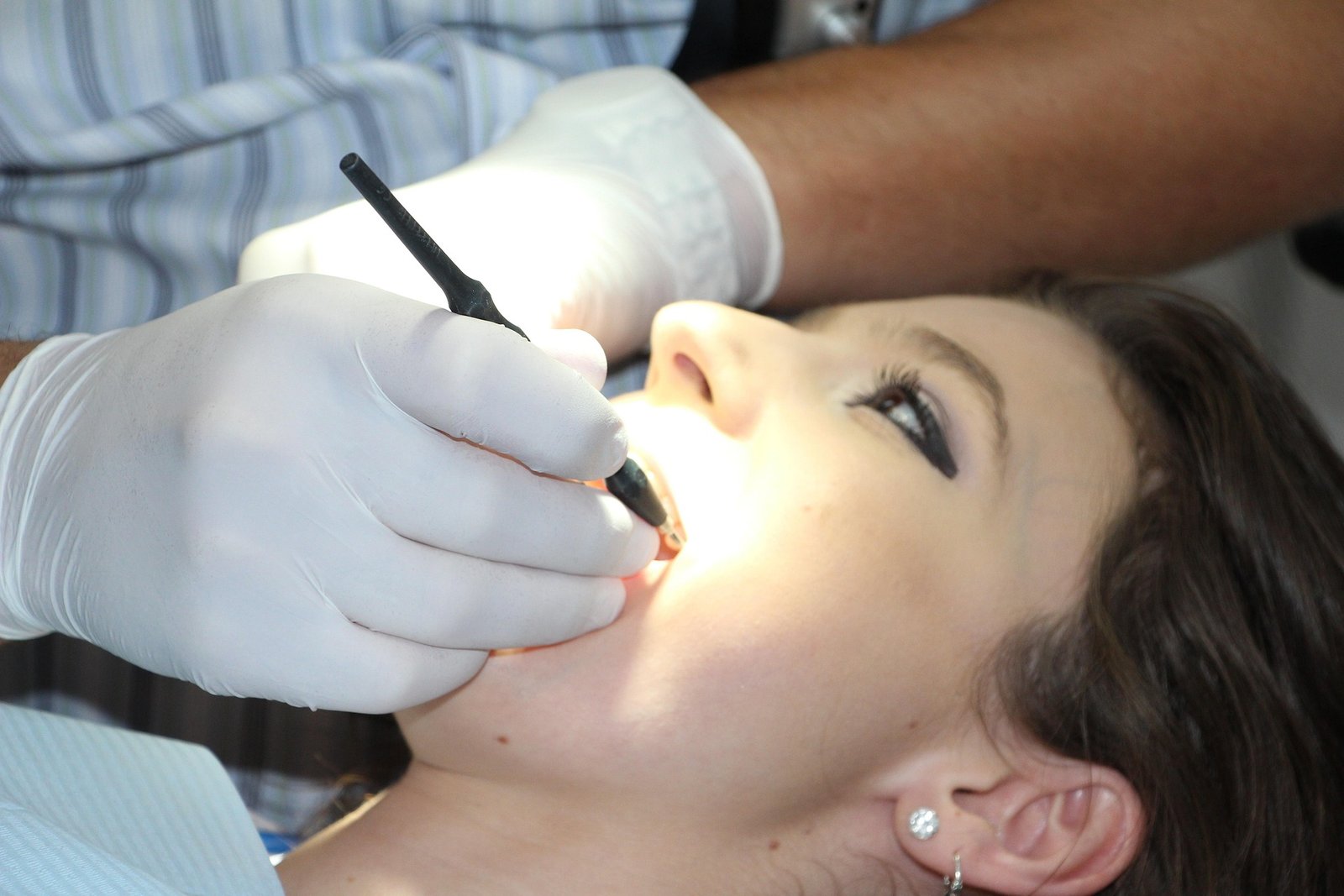
Trust is one of the most valuable assets in any healthcare relationship. In dentistry, where patients often experience anxiety, uncertainty, or financial concerns, trust plays a critical role in treatment acceptance and long-term patient loyalty.
Patients are more likely to follow treatment recommendations, return for regular care, and refer others when they trust their dentist. Trust does not develop instantly—it grows gradually through consistent behavior, transparent communication, and ethical practice.
The Dentist–Patient Trust Framework focuses on understanding how trust is built, what behaviors strengthen it, and how dentists can maintain meaningful long-term relationships with their patients.
What Builds Trust in Healthcare Relationships
Trust in healthcare begins with the patient’s perception of competence, honesty, and empathy. Patients need to feel confident that their dentist has the necessary expertise to diagnose and treat their condition effectively.
However, clinical skill alone is not enough. Patients also value clear explanations, genuine concern for their well-being, and the ability to communicate in a calm and reassuring manner.
Simple actions such as listening carefully, answering questions patiently, and explaining treatment options in understandable language can significantly strengthen patient confidence. When patients feel respected and informed, they are more comfortable placing their trust in their dentist.
Consistency and Transparency in Practice
Consistency is one of the strongest foundations of trust. Patients notice patterns in how a dentist communicates, explains treatments, and manages appointments. When these interactions remain consistent over time, patients develop confidence in the reliability of the practice.
Transparency is equally important. Patients appreciate honesty about diagnoses, treatment options, costs, and possible outcomes. Clear communication prevents misunderstandings and reinforces the dentist’s credibility.
When dentists openly discuss both the benefits and limitations of treatment, patients perceive the information as more trustworthy. Transparency reduces uncertainty and helps patients make well-informed decisions about their oral health.
Ethical Behavior as a Trust Multiplier
Ethical practice strengthens trust at every stage of the dentist–patient relationship. When patients believe that their dentist prioritizes their well-being over financial or personal interests, trust grows naturally.
Ethical behavior includes recommending treatments based on genuine clinical need, respecting patient autonomy, maintaining confidentiality, and providing accurate information without exaggeration.
Patients often recognize ethical behavior through subtle cues—such as balanced treatment recommendations, honest discussions about alternatives, and a willingness to respect patient choices. These behaviors reinforce the dentist’s professional integrity and deepen patient trust.
Communication Habits That Erode Trust
While trust can take time to build, it can be weakened quickly by poor communication. Certain habits unintentionally create doubt or discomfort for patients.
For example, rushing through explanations, using overly technical language, dismissing patient concerns, or appearing impatient can make patients feel undervalued. Lack of clarity about treatment costs or outcomes can also create suspicion or confusion.
Inconsistent information between different members of the dental team can further weaken patient confidence. Recognizing these communication pitfalls allows dentists to avoid behaviors that may undermine trust.
Measuring and Sustaining Long-Term Trust
Trust should not be viewed as a one-time achievement but as an ongoing process. Dentists can sustain long-term trust by maintaining open communication, delivering consistent care, and continuously improving patient experience.
Patient feedback is a valuable tool for understanding how the practice is perceived. Listening to patient concerns, addressing complaints respectfully, and making improvements based on feedback demonstrate commitment to patient-centered care.
Regular follow-ups, clear treatment updates, and compassionate communication also reinforce trust over time. When patients feel that their dentist genuinely cares about their long-term well-being, the relationship becomes stronger and more enduring.
The Power of Trust in Dental Practice
A strong dentist–patient relationship built on trust leads to better treatment outcomes, higher patient satisfaction, and long-term loyalty. Patients who trust their dentist are more comfortable discussing their concerns and more confident in their treatment decisions.
By combining ethical practice, consistent communication, and genuine empathy, dentists can create a practice environment where trust becomes the foundation of every patient interaction.