
Home Blog Page 3

Bad Breath (Halitosis): Causes, Treatment, and Prevention – A Dentist Explains

Bad breath, medically known as halitosis, is a very common oral health concern affecting people worldwide. While it may seem like a minor issue, it can have a significant psychological and social impact, making people feel self-conscious and uncomfortable in social situations.

Understanding the reasons behind halitosis can help patients find the right solution and maintain better oral health.

What Is Halitosis?

Halitosis refers to persistent bad breath that does not go away easily. While temporary odor from the mouth can happen occasionally, chronic bad breath often indicates an underlying issue that needs attention.

Many patients hesitate to discuss this problem because it is considered socially sensitive. However, dentists emphasize that halitosis is usually treatable once the cause is identified.

Is Morning Breath Normal?

Most people experience morning breath when they wake up. This happens because saliva production decreases during sleep, allowing bacteria in the mouth to multiply.

Once you brush your teeth and clean your tongue, the odor usually disappears.

Bad breath can also occur during prolonged fasting, dehydration, or after eating certain foods such as garlic, onions, or fish.

Common Causes of Bad Breath

In most cases, bad breath originates from problems within the mouth itself.

Some of the most common oral causes include:

  • Poor oral hygiene leading to plaque and food debris buildup
  • Cavities or tooth decay, where bacteria produce foul-smelling toxins
  • Gum disease (periodontal disease) causing infection and inflammation
  • Food trapped between teeth due to lack of flossing
  • Coated tongue, where bacteria accumulate on the tongue surface
  • Improperly fitting dentures or dental restorations

Smoking and alcohol consumption can also contribute to persistent bad breath.

Can Medical Conditions Cause Bad Breath?

Yes, in some cases halitosis may be linked to systemic health conditions.

Examples include:

  • Gastroesophageal reflux disease (GERD)
  • Sinus infections or rhinitis
  • Uncontrolled diabetes, which can produce a fruity odor
  • Kidney or liver disease, which may cause characteristic breath smells

When oral causes are ruled out, dentists may refer patients to physicians for further medical evaluation.

How Dentists Diagnose Halitosis

When a patient complains of bad breath, dentists first take a detailed medical and dental history.

They typically ask questions such as:

  • When did the problem begin?
  • Is the odor constant or only at certain times of the day?
  • Did the patient notice it themselves, or was it pointed out by someone else?

After this, the dentist performs a thorough oral examination to identify issues like plaque buildup, cavities, gum disease, or poorly fitting dental work.

Treatment for Bad Breath

The treatment for halitosis is usually simple and highly effective, especially when the cause is oral.

Common treatments include:

  • Professional dental cleaning and polishing to remove plaque and calculus
  • Filling cavities or correcting faulty dental restorations
  • Treating gum infections and periodontal pockets
  • Improving daily oral hygiene habits

Dentists may also recommend chlorhexidine mouthwash, considered the gold standard antimicrobial rinse, for short-term use.

How to Prevent Bad Breath

Preventing halitosis largely depends on maintaining good oral hygiene.

Dentists recommend:

  • Brushing teeth twice daily
  • Cleaning the tongue surface regularly
  • Using floss or interdental brushes to remove food between teeth
  • Rinsing the mouth after meals
  • Reducing smoking and alcohol consumption
  • Visiting the dentist regularly for checkups and cleaning

The Key Takeaway

Bad breath is a common but treatable condition. With proper diagnosis, good oral hygiene practices, and regular dental visits, most patients can successfully eliminate halitosis and regain confidence in their daily interactions.

If you notice persistent bad breath, the best step is to consult your dentist early, identify the cause, and start appropriate treatment.

A healthy mouth is not only essential for oral health—it also plays a vital role in confidence, communication, and overall well-being.
Dentures Explained: Everything You Need to Know Before Getting Them

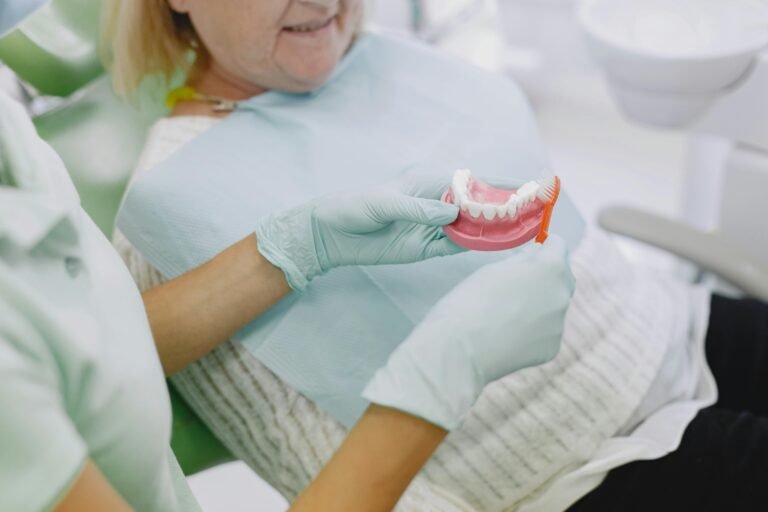
Missing teeth can affect not only your smile but also your ability to chew, speak, and maintain overall oral health. Dentures are one of the most common and effective solutions for replacing missing teeth, especially for older adults.

However, many patients have questions about how dentures should be maintained, how long they last, and whether natural teeth should be preserved or removed when getting dentures.

Here are some expert insights from a prosthodontist on common concerns about dentures and tooth replacement.

Should Dentures Be Removed at Night?

One of the most frequently asked questions by denture wearers is whether dentures should be worn continuously or removed at night.

Dental experts recommend removing dentures before going to bed. Wearing dentures all the time places continuous pressure on the gums and underlying tissues. Over time, this pressure can reduce blood circulation and may lead to gum irritation or inflammation.

Removing dentures for 6–8 hours each day allows the oral tissues to rest and recover.

Many dentists also recommend storing dentures in a bowl of clean water at room temperature overnight. This helps prevent the denture material from drying out or warping due to temperature changes.

Most importantly, dentures should be cleaned thoroughly every morning before wearing them again.

How Often Should Dentures Be Replaced?

Another common concern among denture users is how long dentures last.

Dentures themselves are made from durable materials and may remain structurally intact for many years. However, the shape of the gums and jawbone changes over time, which can affect how well dentures fit.

Because dentures do not adjust automatically to these changes, they may become loose or uncomfortable after several years.

In general, dentists recommend replacing dentures approximately every five years. Over time, denture teeth can also wear down due to chewing and grinding, which may reduce their effectiveness.

Regular dental checkups help determine when a denture needs adjustment, relining, or replacement.

What Is the Best Material for Dentures?

Most dentures today are made from acrylic resin, a material known for its durability, comfort, and ease of fabrication. Acrylic dentures are widely used because they are strong, relatively lightweight, and cost-effective.

Different dental laboratories may use materials from various manufacturers, including international and local brands. However, the skill and experience of the dentist and dental technician often play a more important role than the specific material used.

Proper denture fabrication requires a strong collaboration between the dentist and dental laboratory technician to ensure a comfortable and functional denture.

Should Remaining Teeth Be Removed for Dentures?

A common misconception is that all remaining teeth must be removed before getting dentures.

In dentistry, the guiding principle is “preserve what remains rather than replace what is lost.”

Whenever possible, dentists try to retain natural teeth because they provide better chewing efficiency and help maintain jawbone strength.

In some cases, even the roots of teeth may be preserved using techniques such as submerged roots, which help maintain bone structure and improve denture stability.

Depending on the patient’s condition, dentists may recommend:

  • Removable dentures
  • Fixed prosthetic replacements
  • Implant-supported dentures

The treatment plan is always customized to the patient’s oral health, comfort, and needs.

The Importance of Professional Guidance

Dentures can greatly improve quality of life when they are properly designed, fitted, and maintained. Regular dental visits ensure that dentures remain comfortable and functional while helping detect any oral health issues early.

If you wear dentures or are considering tooth replacement, consulting a qualified dental professional will help you choose the best treatment option for long-term oral health.

Remember, maintaining good oral hygiene and preserving natural teeth whenever possible remains the foundation of healthy dentistry.

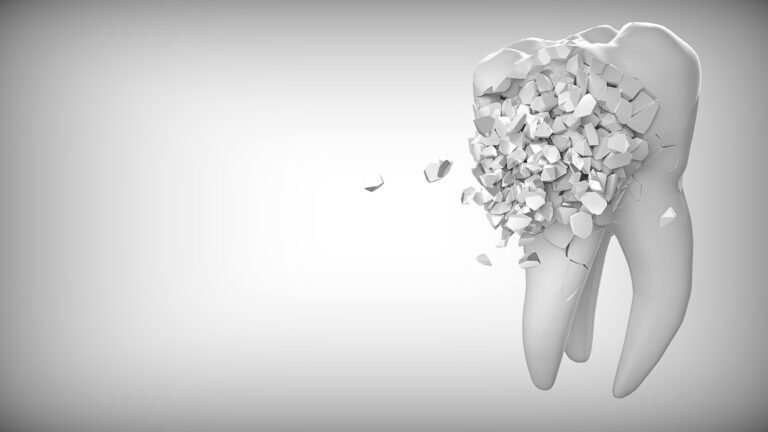
Cracked Tooth Syndrome: The Hidden Dental Problem Many People Ignore

A chipped or broken tooth is a common dental problem that many people experience at some point in their lives. While some fractures may be minor and affect only the outer layer of the tooth, others can be serious and involve deeper structures, including the nerve or even the root of the tooth.

Understanding the causes, symptoms, and treatment options for fractured teeth can help you seek timely dental care and prevent further damage.

Common Causes of Broken or Chipped Teeth

Teeth are strong, but they can still break under certain conditions. Some of the most common causes include:

1. Biting Hard Foods
Biting into hard candies, ice, refrigerated chocolates, or other hard foods can cause teeth to chip or crack.

2. Using Teeth as Tools
Opening bottle caps or packages with your teeth can weaken the tooth structure and lead to fractures.

3. Teeth Grinding (Bruxism)
Habitual grinding or clenching of teeth puts excessive pressure on teeth, making them brittle and prone to chipping.

4. Sports Injuries or Trauma
People involved in contact sports like football, cricket, or hockey may experience dental injuries due to falls or collisions.

5. Tooth Decay or Old Fillings
Teeth weakened by cavities or large old fillings may fracture more easily.

Types of Tooth Fractures

Tooth fractures can vary depending on how deep the damage extends.

Enamel Crack (Craze Lines)
These are very fine cracks that affect only the enamel, the outer layer of the tooth. They are usually harmless and mainly a cosmetic concern.

Enamel Fracture
A small portion of the tooth chips off but affects only the enamel.

Enamel and Dentin Fracture
A larger part of the tooth breaks and exposes the dentin, the inner layer beneath enamel.

Fracture Involving the Nerve (Pulp)
If the fracture reaches the pulp (the nerve of the tooth), infection and severe pain may occur.

Root Fracture
In severe trauma, the root of the tooth may fracture. In such cases, the tooth may not always be saved.

Symptoms of a Cracked or Fractured Tooth

Some tooth fractures are obvious, but others may be difficult to detect. Common symptoms include:

  • Sensitivity to hot or cold foods
  • Pain while chewing or biting
  • Pain when releasing biting pressure
  • Intermittent or sudden tooth pain
  • Swelling around the affected tooth

In certain cases, the crack may not be visible, a condition known as Cracked Tooth Syndrome, which requires a dentist’s examination for proper diagnosis.

Treatment Options for a Broken Tooth

The treatment depends on the severity of the fracture.

Minor Chips or Enamel Damage
A dentist can repair the tooth using a tooth-colored composite filling to restore the shape and appearance.

Moderate Fractures (Involving Dentin)
Fillings or restorative materials may be used to rebuild the damaged tooth.

Fracture Reaching the Nerve
If the pulp is infected, a root canal treatment may be required to save the tooth. A dental crown (cap) is usually placed afterward to strengthen the tooth.

Severe Root Fracture
If the root is badly damaged, the tooth may need to be extracted.

What Happens If a Broken Tooth Is Ignored?

Ignoring a chipped or cracked tooth can lead to serious complications. Bacteria can enter the tooth through the fracture and cause infection of the pulp. Over time, this may result in severe pain, abscess formation, or even tooth loss.

Early dental treatment can prevent these complications and save the tooth.

How to Prevent Tooth Fractures

Although accidents cannot always be avoided, several steps can reduce the risk of tooth fractures.

  • Avoid biting very hard foods or ice
  • Do not use your teeth to open objects
  • Wear a sports mouthguard while playing contact sports
  • Use a night guard if you grind your teeth during sleep
  • Visit your dentist regularly for checkups

The Bottom Line

A broken or chipped tooth should never be ignored. Early diagnosis and treatment can restore the tooth and prevent further damage.

If you experience tooth sensitivity, pain while chewing, or notice a chipped tooth, it is best to visit your dentist promptly for evaluation and treatment.

Maintaining good oral hygiene and protecting your teeth from excessive force can go a long way in keeping your smile healthy.