
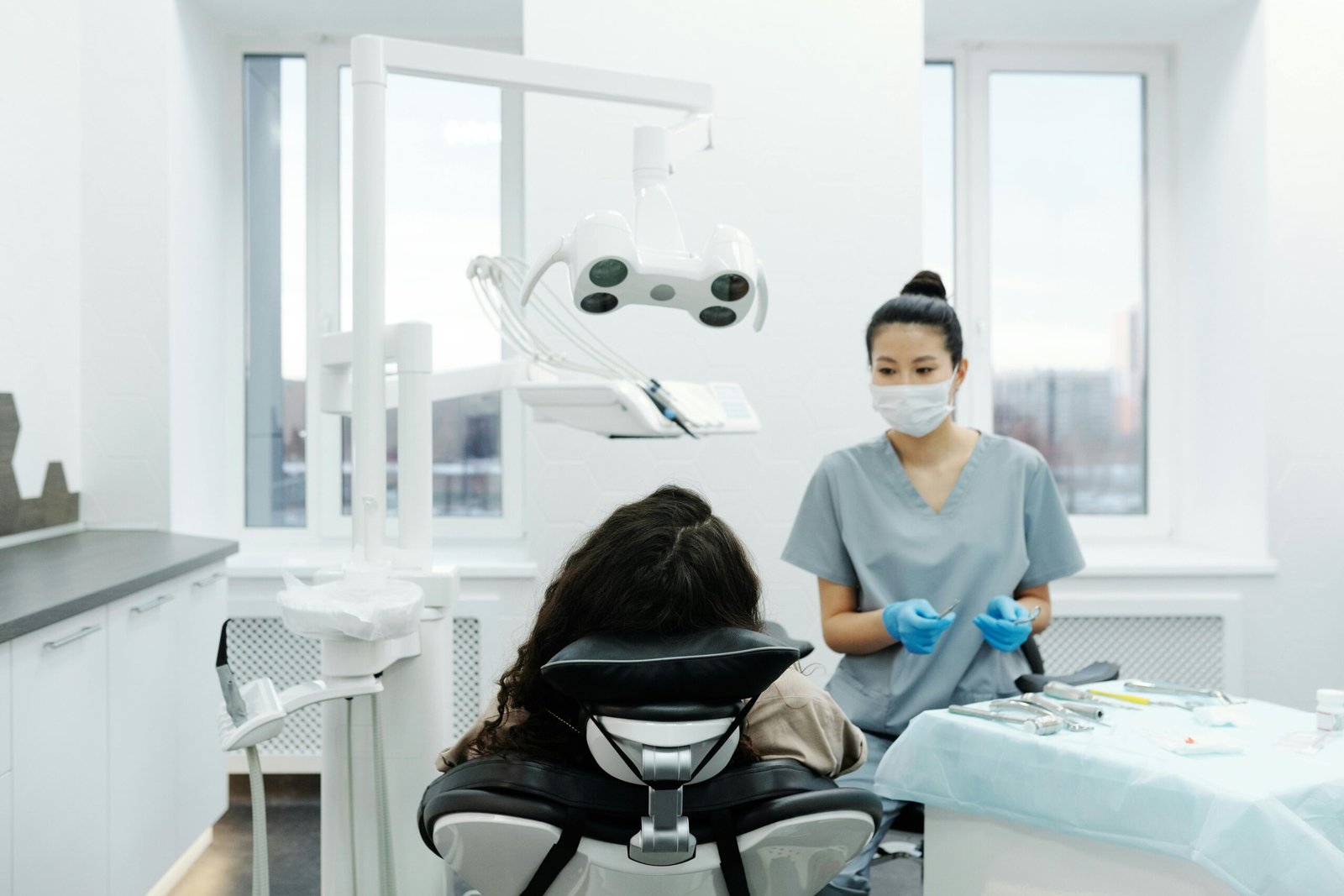
Tooth Extraction: Common Questions Patients Ask
Tooth extraction, also known as tooth removal, is one of the most common dental procedures performed by dentists and oral surgeons. However, many patients feel anxious because of myths and misinformation surrounding the procedure.
Expert answers to some of the most common questions patients have about tooth extraction.
Understanding the procedure can help patients feel more comfortable and prepared for treatment.
Is Tooth Extraction Painful?
One of the biggest fears patients have is whether tooth removal will be painful.
According to dental experts, tooth extraction is usually not painful because it is performed under local anesthesia. Dentists use very fine needles and often apply topical anesthetic gel before the injection to minimize discomfort.
Once the anesthetic takes effect, the treated area becomes numb for about 60 to 90 minutes, allowing the dentist to perform the procedure without pain. Any mild discomfort that occurs afterward can usually be managed with prescribed medication.
Is Tooth Extraction Expensive?
Many people worry about the cost of dental procedures. Fortunately, simple tooth extractions are generally affordable and considered a routine dental treatment.
The cost may vary depending on factors such as:
- The position of the tooth
- Whether it is a simple extraction or surgical removal
- Diagnostic tests such as X-rays
Despite these factors, dentists emphasize that tooth extraction is not an excessively expensive procedure and is accessible for most patients.
Does Tooth Removal Cause Swelling?
Under normal circumstances, simple tooth extraction should not cause significant swelling.
Some patients may feel slight fullness or discomfort in the area immediately after the procedure. However, noticeable swelling usually occurs only when:
- There was a prior infection
- A surgical extraction was required
- Wisdom teeth were removed
Applying a cold pack (ice pack) to the cheek after the procedure can help minimize swelling and promote faster recovery.
Do Wisdom Teeth Always Need to Be Removed?
Wisdom teeth removal is often recommended when the tooth erupts in an abnormal position or becomes impacted.
If a wisdom tooth is not aligned properly, it can:
- Damage neighboring teeth
- Cause infections or gum problems
- Lead to pain and food trapping
In such situations, dentists may advise removal to prevent future complications.
Will There Be Bleeding After Tooth Extraction?
Some mild bleeding immediately after tooth removal is normal.
Dentists typically place a piece of sterile cotton or gauze on the extraction site and ask the patient to bite gently for 20–30 minutes. This helps stabilize the blood clot and stop the bleeding.
Excessive or prolonged bleeding is uncommon, but if it occurs, patients should contact their dentist.
Can You Eat After Tooth Extraction?
Yes, but the type of food matters.
Dentists usually recommend starting with soft and cool foods, such as:
- Ice cream
- Cold juice
- Soft rice or porridge
- Yogurt or smoothies
Hot, spicy, and hard foods should be avoided during the early healing period.
Can You Brush Your Teeth After Tooth Removal?
Patients are generally advised not to brush or rinse the mouth on the same day as the extraction. Brushing and gentle rinsing can usually resume the next day, often with an antiseptic mouthwash if recommended by the dentist.
This precaution helps protect the blood clot, which is essential for proper healing.
Do All Tooth Extractions Need Stitches?
Not always. Simple tooth extractions usually do not require stitches.
Stitches are typically used when:
- Surgical extraction is performed
- Bone needs to be trimmed
- The tooth breaks during removal
If stitches are placed, they are usually removed about a week after the procedure.
Final Thoughts
Tooth extraction is a safe and routine dental procedure when performed by a qualified dentist or oral surgeon. With proper guidance and post-treatment care, most patients recover quickly without complications.
Regular dental checkups and early treatment can help prevent serious dental problems and ensure better oral health and overall wellbeing.