
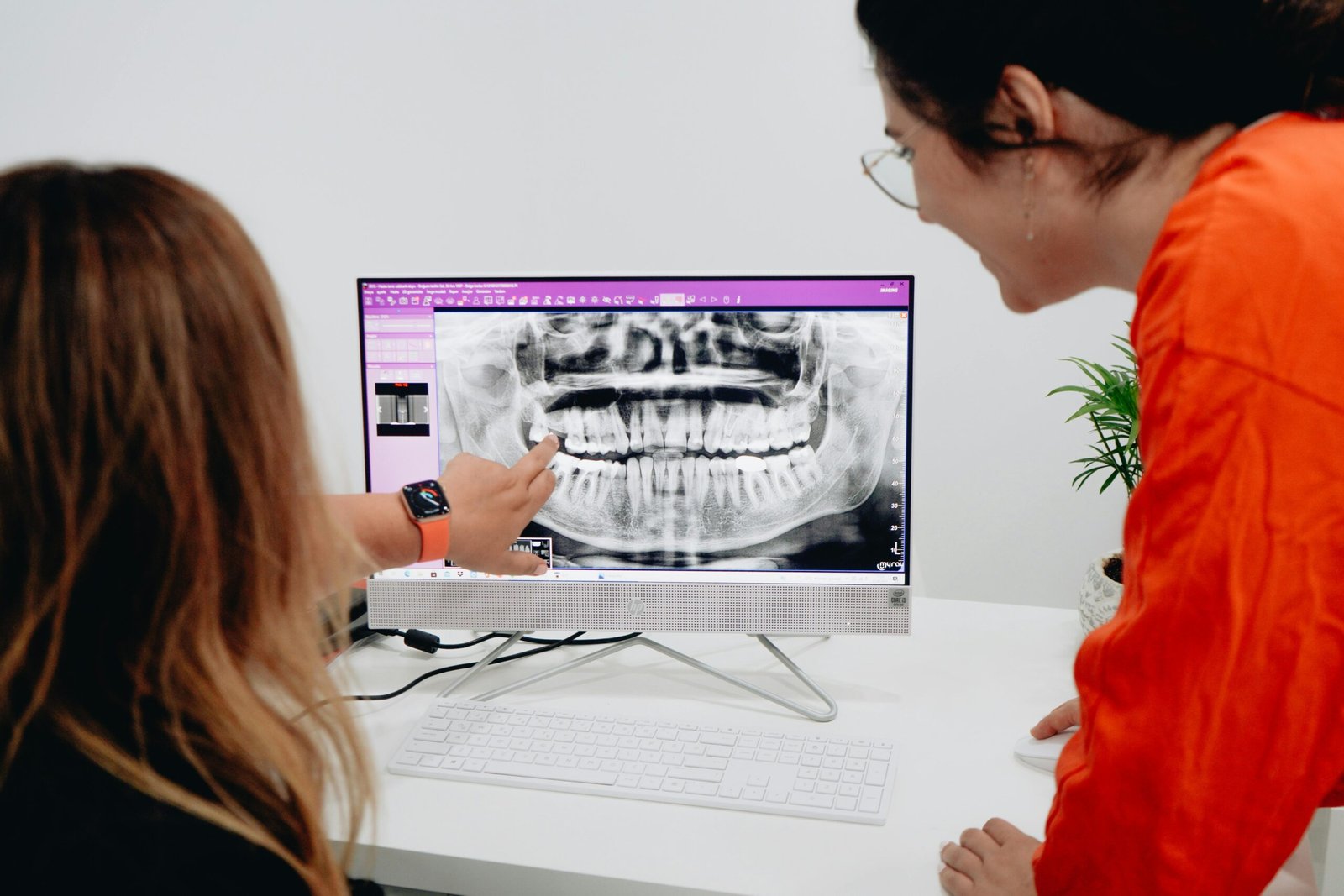
Digital technology has transformed the way dental professionals communicate with patients, document clinical information, and deliver education about treatment. From electronic records to visual treatment explanations, digital tools have made dental communication more efficient, transparent, and patient-centered.
However, technology alone does not guarantee effective communication. Dentists must understand how to use digital tools thoughtfully and responsibly to enhance patient understanding while maintaining professionalism and ethical standards.
This module focuses on helping dentists integrate digital communication tools into everyday clinical practice to improve clarity, efficiency, and patient trust.
Introduction to Digital Records and Documentation
Digital record systems are now a fundamental part of modern dental practice. Electronic dental records allow dentists to maintain accurate patient histories, treatment notes, radiographs, and clinical documentation in an organized and easily accessible format.
Proper documentation is essential for continuity of care, legal protection, and treatment planning. Digital records also enable better collaboration between dental professionals, making it easier to share relevant information when referrals or multidisciplinary treatments are involved.
For dentists, understanding the importance of clear, structured, and consistent documentation ensures that patient information remains reliable and secure while improving overall practice efficiency.
Digital Consent and Patient Education Tools
Informed consent is a critical ethical and legal component of dental treatment. Digital consent tools have simplified this process by allowing patients to review treatment information, risks, benefits, and alternatives through digital platforms before agreeing to a procedure.
Many dental clinics now use digital forms, interactive consent software, and educational modules to help patients understand their treatment options more clearly. These tools can include visual explanations, diagrams, and short videos that guide patients through the procedure step by step.
When patients receive information in a structured and visual format, they are more likely to understand the treatment and feel confident about their decision.
Using Visuals and Technology to Improve Patient Understanding
Dental conditions and procedures can be difficult for patients to visualize or understand through verbal explanation alone. Digital technology helps bridge this gap through visual communication.
High-quality intraoral images, digital radiographs, animations, and treatment simulation software allow dentists to show patients exactly what is happening in their oral health. Seeing the condition often makes the explanation clearer and strengthens patient acceptance of recommended treatments.
Visual tools also help simplify complex concepts, allowing dentists to explain diagnoses and procedures in a more engaging and memorable way.
Digital Communication Etiquette with Patients
With the rise of messaging platforms, email communication, and online consultations, digital communication between dentists and patients has become increasingly common. While these tools improve accessibility, they must be used with professional etiquette.
Dentists should maintain clear boundaries when communicating digitally, ensuring that messages remain professional, concise, and respectful. Protecting patient privacy is also essential, which means avoiding sharing sensitive information through unsecured platforms.
Timely responses, clear instructions, and respectful language help maintain trust and professionalism in digital interactions with patients.
Common Digital Errors and How to Avoid Them
While digital tools improve efficiency, they can also introduce new challenges if not used carefully. Common digital communication mistakes include incomplete documentation, unclear digital consent forms, misinterpretation of messages, and improper storage of patient information.
To avoid these issues, dentists should follow consistent documentation protocols, verify patient understanding during digital consent processes, and ensure that all digital communication complies with privacy and ethical standards.
Regular training and awareness of best practices in digital communication help prevent errors and maintain the quality of patient care.
The Future of Digital Communication in Dentistry
Digital tools are rapidly becoming central to modern dental practice. Dentists who learn to use technology effectively can improve patient education, strengthen trust, and create more transparent treatment discussions.
By combining clinical expertise with thoughtful use of digital communication tools, dental professionals can enhance both patient experience and practice efficiency in today’s evolving healthcare environment.