
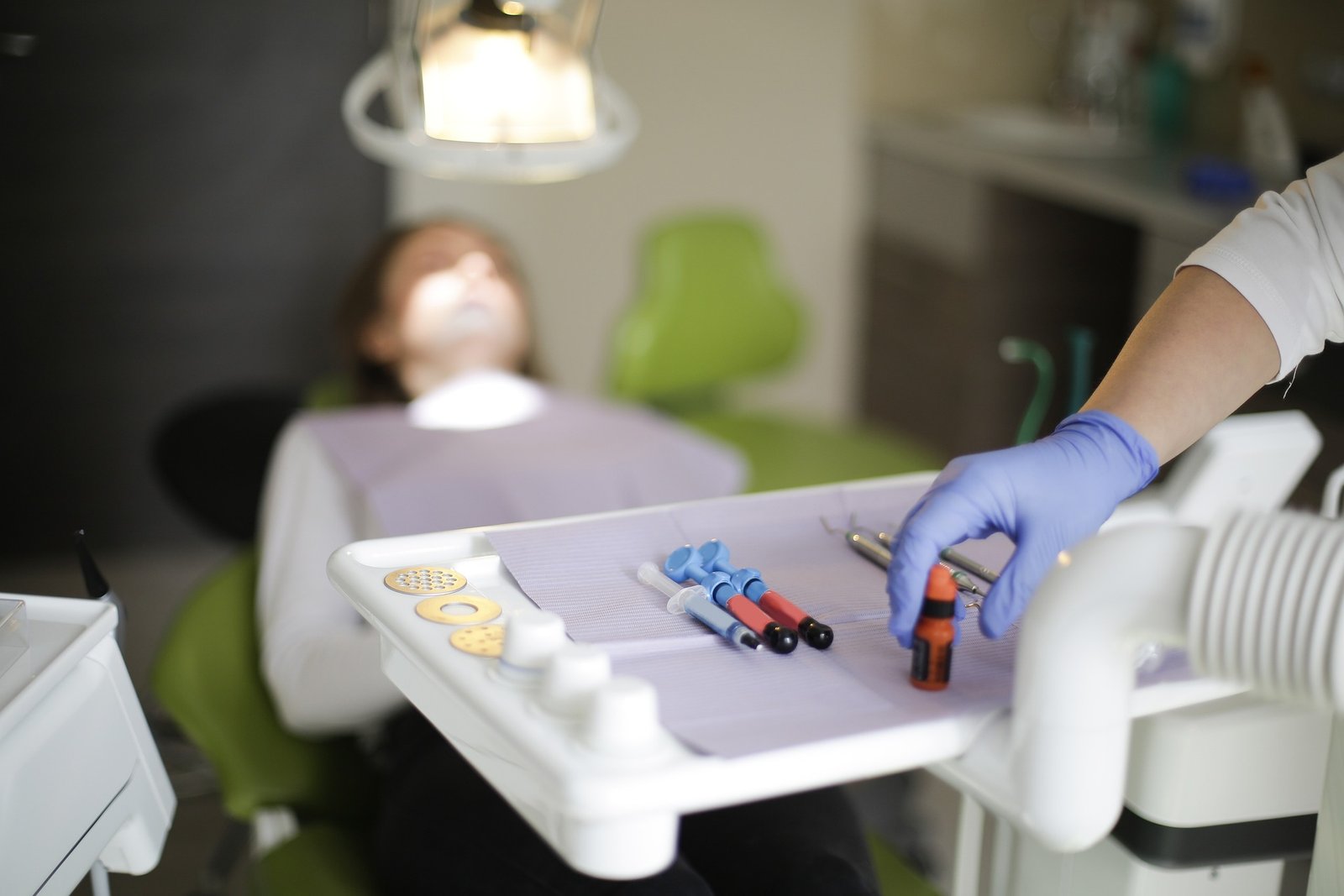
Clinic Operations & Resource Efficiency in Dentistry
Running a successful dental clinic requires more than clinical expertise. Efficient operations, organized workflows, and smart resource management are essential for delivering consistent patient care while maintaining productivity and profitability.
When clinic systems are well structured, the dental team can focus more on patient care and less on operational challenges. Efficient processes reduce delays, prevent unnecessary stress for staff, and create a smoother experience for patients.
This module focuses on practical strategies that help dental professionals improve clinic operations, manage resources effectively, and create a well-coordinated practice environment.
Workflow Mapping in Dental Clinics
Workflow mapping involves understanding and organizing the sequence of tasks that take place in a dental clinic during a typical patient visit. From appointment booking to treatment completion and follow-up care, each step contributes to the overall patient experience.
By mapping these workflows, dental teams can identify areas where processes may be inefficient or unnecessarily complicated. For example, delays may occur when patient records are not easily accessible, treatment rooms are not prepared in advance, or communication between staff members is unclear.
When workflows are clearly defined and standardized, team members understand their responsibilities and tasks can move smoothly from one stage to the next. This improves efficiency and ensures that patient care is delivered in a timely and organized manner.
Scheduling for Productivity and Patient Comfort
Effective scheduling plays a critical role in both clinic productivity and patient satisfaction. Poorly planned schedules can lead to overcrowded waiting rooms, long delays, and unnecessary stress for both patients and staff.
Strategic scheduling ensures that appointment slots are allocated based on the complexity and duration of procedures. For example, longer treatments should be scheduled in a way that minimizes disruption to other appointments.
Balanced scheduling also considers patient comfort. Minimizing waiting times and maintaining predictable appointment flows helps patients feel respected and valued. When schedules are designed thoughtfully, clinics can manage a higher volume of patients without compromising quality of care.
Inventory and Resource Optimization
Dental clinics rely on a wide range of materials, instruments, and equipment for daily operations. Efficient inventory management ensures that necessary supplies are always available without excessive overstocking.
Poor inventory control can lead to unnecessary expenses, expired materials, or interruptions in patient care when critical supplies are unavailable. Implementing simple tracking systems helps monitor stock levels and maintain optimal inventory balance.
Resource optimization also involves ensuring that dental equipment and treatment rooms are used efficiently. Proper maintenance and timely upgrades of equipment contribute to smoother operations and improved treatment outcomes.
Staff Role Clarity and Delegation
A well-organized dental clinic depends on effective teamwork. Clear role definition ensures that each team member understands their responsibilities and contributes efficiently to patient care.
Dentists often handle multiple tasks simultaneously, but not every responsibility needs to be managed personally. Delegating appropriate duties to trained staff members—such as patient coordination, record management, and clinical assistance—allows dentists to focus on diagnosis and treatment.
When staff members feel empowered and confident in their roles, overall clinic efficiency improves. Clear communication and teamwork create a supportive work environment where operations run smoothly.
Reducing Operational Waste and Delays
Operational waste occurs when time, resources, or effort are used inefficiently. In dental clinics, this may include repeated paperwork, unnecessary patient waiting, duplicated tasks, or underutilized equipment.
Reducing operational waste begins with identifying common sources of delay and streamlining processes. For example, digital record systems, standardized treatment preparation protocols, and improved communication between team members can significantly reduce inefficiencies.
Small operational improvements can collectively have a major impact on clinic productivity and patient experience.
Building an Efficient and Sustainable Dental Practice
Efficient clinic operations create a strong foundation for both patient satisfaction and professional success. When workflows are organized, resources are managed effectively, and staff roles are clearly defined, dental teams can deliver high-quality care without unnecessary stress or delays.
By adopting efficient operational practices, dentists can build a practice environment that supports productivity, teamwork, and excellent patient experiences.