Home Blog

Eat Slow, Live Better: The 32-Chew Rule for Mindful Health

Introduction

What if one small shift in the way you eat could transform your digestion, energy, and overall well-being? Not a diet. Not a restriction. Just a simple habit: chewing your food slowly and mindfully—up to 32 times per bite.

This isn’t about rigid counting. It’s about relearning how to eat with awareness, something we’ve lost in a world of rushed meals and constant distractions.


The Hidden Power of Slowing Down

Your body is designed to digest food efficiently—but only when you give it the chance. The moment you slow down and chew properly, you activate your body’s natural “rest and digest” mode. Saliva begins breaking down food, your stomach works less, and your gut absorbs nutrients more effectively.

Rushed eating, on the other hand, leads to bloating, overeating, and poor digestion—no matter how healthy your food is.


Why the “32-Chew Rule” Matters

Think of it as a pause button for your body. Chewing your food thoroughly:

  • Signals fullness to your brain, preventing overeating
  • Enhances taste and satisfaction
  • Reduces digestive discomfort
  • Supports better nutrient absorption

It’s not about perfection—it’s about presence.


It’s Not Just Food, It’s Your State of Mind

The way you feel when you eat shapes how your body responds. Eating while stressed, distracted, or hurried keeps your body in a “fight or flight” mode—where digestion takes a backseat.

But when you eat calmly and intentionally, your body shifts gears. Every bite becomes more nourishing, not just physically—but mentally.


How to Start (Without Overthinking It)

  • Slow your pace—don’t rush your meals
  • Chew until the food feels soft and easy to swallow
  • Put down your spoon between bites
  • Eat without screens or distractions
  • Take a breath before you begin

Final Thought

Health doesn’t always come from big changes. Sometimes, it begins with something as simple as one mindful bite.

Slow down. Chew well. Be present.
Because the way you eat today shapes the way you feel tomorrow.

The 12 Worst Foods for Your Teeth (And What to Eat Instead)

Introduction

We often think brushing and flossing are enough to protect our teeth—but what you eat every day plays an equally powerful role. Certain foods quietly weaken enamel, fuel cavity-causing bacteria, and increase the risk of sensitivity and staining.

If you’re aiming for long-term oral health, here are the 12 worst foods for your teeth—and smarter alternatives to protect your smile.


1. Sugary Candies

Sugary treats are the biggest contributors to tooth decay. They feed harmful bacteria that produce acids, which attack enamel.

Better choice: Dark chocolate (less sticky, washes away faster)


2. Sticky Sweets (Caramel, Toffee)

These cling to the tooth surface and stay there longer, increasing cavity risk.

Better choice: Sugar-free gum to stimulate saliva


3. Soda & Soft Drinks

A dangerous combination of sugar and acid leads to rapid enamel erosion. Even “diet” sodas are highly acidic.

Better choice: Water or sparkling water without added sugar


4. Fruit Juices

While they seem healthy, packaged and even fresh juices are loaded with natural sugars and acids.

Better choice: Whole fruits (fiber reduces sugar impact)


5. Citrus Fruits (In Excess)

Frequent exposure to citrus acids can wear down enamel over time.

Better choice: Consume in moderation and rinse with water after


6. Sports & Energy Drinks

Often more acidic than soda, these drinks can significantly weaken enamel.

Better choice: Coconut water or plain water


7. Chips & Refined Carbohydrates

They break down into sugars and get trapped between teeth, feeding bacteria.

Better choice: Nuts or seeds (low in sugar, tooth-friendly)


8. Dried Fruits

Sticky and concentrated in sugar, they behave similarly to candy.

Better choice: Fresh fruits like apples or pears


9. Alcohol

Alcohol reduces saliva production, leading to dry mouth and higher cavity risk.

Better choice: Hydrate with water alongside any alcoholic drink


10. Ice (Chewing Habit)

It may seem harmless, but chewing ice can crack or chip enamel.

Better choice: Let ice melt instead of chewing


11. Coffee (With Sugar)

Sugary coffee promotes bacterial growth and causes staining.

Better choice: Black coffee in moderation, followed by water


12. Pickles & Acidic Foods

Frequent exposure to acidic foods can gradually weaken enamel.

Better choice: Pair with meals to reduce acid impact


Why Frequency Matters More Than Quantity

It’s not just what you eat—but how often. Frequent snacking keeps your teeth under constant acid attack, preventing enamel from recovering. Giving your mouth time between meals allows saliva to neutralize acids and repair early damage.


Simple Habits to Protect Your Teeth

  • Rinse your mouth after sugary or acidic foods
  • Wait 30 minutes before brushing after acidic intake
  • Stay hydrated to maintain healthy saliva flow
  • Brush twice daily and floss regularly

Final Takeaway

You don’t need to completely eliminate your favorite foods—but being mindful of these high-risk items can significantly improve your dental health. Small daily choices can prevent major dental problems in the future.

Tooth Fillings Explained: How Long They Last, Do They Hurt, and When You Need One

Tooth Fillings Explained: How Long They Last, Do They Hurt, and When You Need One

Dental cavities are one of the most common oral health problems, yet many patients have several doubts about tooth fillings. Dental Health experts answer some of the most common patient questions about dental fillings.

Understanding how fillings work can help patients seek treatment early and prevent more complex dental procedures.

How Long Do Dental Fillings Last?

A properly done dental filling can last many years, depending on the size of the cavity, the material used, and the patient’s oral hygiene habits.

On average, a tooth filling lasts around 8–10 years. However, dentists recommend reviewing older fillings periodically to check whether they need replacement.

Regular dental checkups help detect problems early and ensure that fillings continue to function effectively.

Will Getting a Dental Filling Hurt?

Many patients worry that getting a filling will be painful. In most cases, dental fillings cause only mild discomfort rather than pain.

During cavity removal, the softer layer of the tooth (dentin) may be exposed temporarily, which can cause slight sensitivity. Once the filling material is placed, the tooth usually feels comfortable again.

For small cavities, a filling can often be done without anesthesia. However, if the cavity is deep or the patient is anxious, the dentist may recommend a local anesthetic to ensure comfort.

Can You Eat After a Tooth Filling?

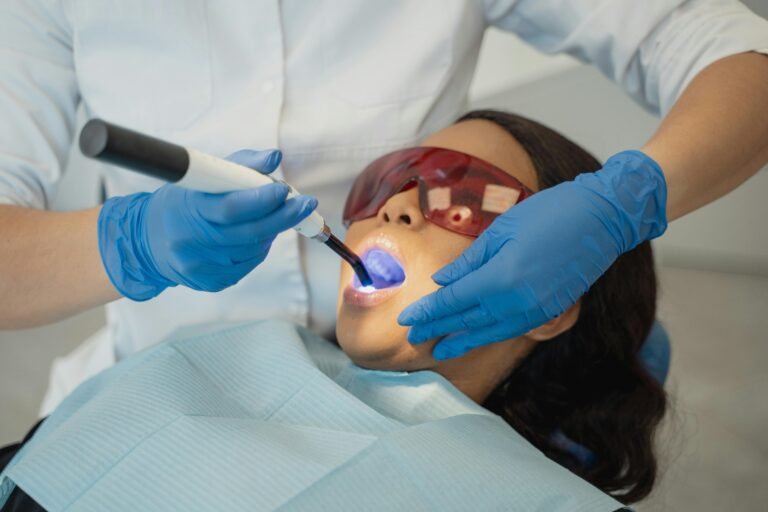
Modern tooth-colored fillings, known as composite fillings, set quickly using a special curing light. This means patients can usually eat and drink soon after the procedure.

Many people even get their fillings done during a lunch break and return to work immediately, as the procedure is quick and minimally invasive.

Can Cavities Heal Without Treatment?

A common myth is that cavities can heal on their own. Unfortunately, once a cavity has progressed into the tooth structure, it cannot heal naturally.

Early-stage demineralization may sometimes be reversed with preventive care, fluoride treatment, and proper oral hygiene. However, once decay progresses, a dental filling is necessary to stop the spread of infection.

Ignoring cavities can lead to more serious treatments such as root canal therapy or crowns.

Silver Fillings vs Tooth-Colored Fillings

Another common question is whether silver fillings or tooth-colored fillings are better.

Silver amalgam fillings were widely used in the past because they are durable and affordable. However, modern dentistry increasingly favors composite tooth-colored fillings because they:

  • Match the natural color of teeth
  • Bond directly to the tooth structure
  • Require less removal of healthy tooth material
  • Provide excellent strength and durability

Advances in dental materials have made composite fillings both aesthetic and functional, making them the preferred option in most cases.

Early Detection Is Key

The best way to avoid complex dental treatments is early detection of cavities. Dentists recommend visiting your dentist regularly for checkups, as early cavities can often be treated with minimal drilling and simple fillings.

Good oral hygiene, a balanced diet, and routine dental visits play a crucial role in maintaining healthy teeth.

When treated early, a simple tooth filling can restore your tooth and prevent bigger dental problems, helping you maintain a healthy and confident smile.

Dental Practice Growth Strategy | Networking, Referrals & Strategic Partnerships for Dentists

Growth Strategy & Partnerships in Dental Practice

Building a successful dental practice requires more than clinical expertise and patient care. Sustainable growth often comes from strong professional networks, strategic partnerships, and thoughtful planning for the future of the clinic.

In today’s evolving healthcare environment, dentists who actively build relationships with peers, specialists, healthcare providers, and local communities often experience stronger and more stable practice growth. Collaboration not only expands opportunities for patient referrals but also enhances professional learning and reputation.

This module explores practical strategies that help dentists develop sustainable growth plans, build valuable partnerships, and create a supportive professional ecosystem that benefits both patients and practitioners.

Understanding Sustainable Practice Growth Through Networking

Networking plays a significant role in the growth of dental practices. Professional relationships with fellow dentists, specialists, healthcare providers, and industry experts create opportunities for collaboration and knowledge sharing.

When dentists build strong networks, they gain access to valuable referrals, mentorship opportunities, and insights into new clinical or technological developments. Networking can take place through professional associations, dental conferences, continuing education programs, and local healthcare communities.

Strong professional networks also strengthen credibility within the dental community. When peers trust a dentist’s expertise and professionalism, they are more likely to refer patients or recommend collaboration.

Sustainable growth through networking is not about competition—it is about building relationships that support mutual professional development and improved patient care.

Strategic Planning for Scaling Clinics

As a dental practice grows, strategic planning becomes essential for managing expansion effectively. Scaling a clinic requires careful consideration of infrastructure, staffing, financial planning, and patient demand.

Strategic planning involves evaluating the current capacity of the practice and identifying opportunities for growth. This may include expanding services, adding new technologies, increasing the number of treatment rooms, or opening additional clinic locations.

However, growth should always be aligned with the clinic’s long-term vision and ability to maintain quality patient care. Thoughtful planning ensures that expansion occurs in a controlled and sustainable manner rather than creating operational strain.

Dentists who approach growth strategically can build practices that remain efficient, profitable, and patient-centered.

Building Referral and Partner Ecosystems

Referral relationships are an important component of dental practice development. Many dental treatments involve collaboration with specialists such as orthodontists, oral surgeons, periodontists, or prosthodontists.

Establishing strong referral partnerships allows dentists to provide comprehensive patient care while strengthening professional connections within the healthcare community.

A well-developed referral ecosystem benefits both patients and professionals. Patients receive specialized care when needed, and dentists build trust-based professional relationships that enhance the reputation of their practice.

Maintaining clear communication with referral partners and providing timely updates about shared patients helps strengthen these collaborative relationships.

Branding Collaborations and Alliances

Strategic collaborations can also contribute to practice growth by expanding visibility and creating opportunities for community engagement.

Dental practices may collaborate with healthcare providers, wellness professionals, educational institutions, or local organizations to promote oral health awareness and preventive care. These partnerships help position the dental clinic as a trusted community resource.

Brand collaborations can also involve joint educational events, health awareness programs, or professional learning initiatives. When collaborations align with the values of the practice, they strengthen both professional reputation and patient trust.

Successful partnerships are built on shared goals, transparency, and a commitment to delivering value to patients and the community.

Building a Collaborative Future for Dental Practice

Growth in dentistry is most sustainable when it is built on strong relationships, thoughtful planning, and professional collaboration. Dentists who actively engage in networking, develop referral ecosystems, and explore strategic partnerships create opportunities that extend beyond individual clinical practice.

By combining clinical excellence with collaborative growth strategies, dental professionals can build practices that continue to evolve, expand, and contribute positively to the broader healthcare community.


Financial Literacy & Ethical Marketing for Dentists | Dental Practice Growth Guide

Financial Literacy & Marketing Basics for Dentists

Clinical expertise alone does not guarantee a successful dental practice. Dentists must also understand the financial aspects of running a clinic and learn how to communicate the value of their services effectively. Financial literacy and ethical marketing are essential skills that help dentists build sustainable practices while maintaining professional integrity.

Many early-career dentists focus primarily on clinical training but receive little exposure to financial planning or practice management. As a result, they may struggle with pricing procedures, managing clinic expenses, or promoting their services responsibly.

This module introduces the essential financial and marketing principles that every dentist should understand to manage a practice confidently and ethically.

Understanding Clinic Income and Expenses

A dental clinic functions like any other professional business, with multiple income streams and operational costs. Understanding where revenue comes from and how expenses are distributed is the first step toward financial stability.

Clinic income may include consultation fees, diagnostic procedures, preventive treatments, restorative procedures, and specialized services. On the other hand, expenses can include equipment purchases, staff salaries, rent, utilities, laboratory fees, and clinical supplies.

When dentists clearly understand their financial inflow and outflow, they can make informed decisions about investments, technology upgrades, staffing, and service expansion. Regularly reviewing financial reports also helps identify areas where costs can be optimized without compromising patient care.

Costing and Pricing Dental Procedures

One of the most challenging aspects for dentists is determining appropriate pricing for dental procedures. Pricing should reflect the cost of materials, laboratory charges, clinical time, expertise, equipment usage, and overhead expenses.

Many dentists either undervalue their services or set prices without considering all associated costs. This can lead to financial strain and difficulty maintaining the clinic in the long term.

Transparent and well-structured pricing allows dentists to maintain sustainability while ensuring that patients receive high-quality care. When pricing is fair and clearly explained, patients are more likely to understand the value of the treatment they receive.

Basics of Ethical Dental Marketing

Marketing is an important component of practice growth, but in healthcare it must always remain ethical and responsible. Ethical dental marketing focuses on education, transparency, and patient trust rather than exaggerated claims or misleading promotions.

Dentists can use websites, social media, educational content, and community engagement to inform patients about oral health and available treatments. Sharing accurate information helps position the dentist as a trusted professional resource.

Ethical marketing emphasizes honesty, patient education, and professional credibility. When marketing aligns with ethical standards, it strengthens reputation and encourages long-term patient relationships.

Patient Affordability and Value Communication

Dental treatment can sometimes feel financially overwhelming for patients. Dentists must learn how to communicate the value of treatment while remaining sensitive to patient affordability.

Value communication involves explaining why a treatment is necessary, how it benefits long-term oral health, and what the potential consequences of delaying treatment might be. When patients clearly understand the purpose and benefits of treatment, they are more comfortable making informed financial decisions.

Offering treatment options, phased treatment plans, or preventive care guidance can also help patients manage costs while prioritizing their oral health.

Financial Mistakes Early Practitioners Make

Many dentists in the early stages of their careers make financial mistakes simply due to lack of exposure to practice management. Common errors include underpricing treatments, overspending on equipment too early, neglecting financial planning, and ignoring marketing strategies.

Another frequent mistake is failing to track expenses or monitor cash flow regularly. Without clear financial awareness, it becomes difficult to plan for growth or manage unexpected costs.

Learning financial fundamentals early allows dentists to avoid these challenges and build a practice that is both clinically excellent and financially sustainable.

Building a Sustainable Dental Practice

Financial literacy and ethical marketing together form the backbone of a thriving dental practice. Dentists who understand the financial dynamics of their clinic and communicate the value of their services effectively are better positioned for long-term success.

By combining clinical expertise with responsible financial management and ethical marketing practices, dentists can create a practice that benefits both patients and professionals while maintaining trust, transparency, and sustainability.

Vitamin D and Calcium Absorption: Why They Are Essential for Strong Teeth and Bone Health

Vitamin D and Calcium Absorption: Why They Are Essential for Strong Teeth and Bones

When it comes to maintaining strong teeth and healthy bones, most people immediately think of calcium. While calcium is crucial, it cannot do its job effectively without Vitamin D. These two nutrients work together closely, making Vitamin D one of the most important factors in maintaining bone strength, dental health, and overall wellbeing.

Understanding the connection between vitamin D and calcium absorption can help you take better care of your teeth, bones, and long-term health.

Why Vitamin D Is Important for Calcium Absorption

Calcium is a key mineral responsible for building and maintaining strong bones and teeth. However, the body cannot absorb calcium efficiently without adequate Vitamin D.

Vitamin D helps the intestines absorb calcium from the food we eat and regulates the amount of calcium that enters the bloodstream. Without enough Vitamin D, the calcium in your diet may not be properly utilized, which can affect bone density and dental strength over time.

For dentists and healthcare professionals, this relationship is especially important because strong bones provide the foundation for healthy teeth and gums.

Sunlight: The Best Natural Source of Vitamin D

One of the most effective ways to obtain Vitamin D is through sun exposure. When sunlight hits the skin, the body naturally produces Vitamin D from cholesterol present in the skin.

However, there are several misconceptions about the right way to get sunlight for Vitamin D.

Many people believe early morning sunlight is sufficient, but the UVB rays needed for Vitamin D synthesis are strongest between 10 AM and 1 PM. Around 10–15 minutes of direct sun exposure during this time can often help the body produce adequate Vitamin D.

It is also important to note that sunlight coming through windows does not help produce Vitamin D, because glass blocks the UVB rays required for its synthesis. Direct exposure to sunlight is necessary for the process to occur.

Dietary Sources of Vitamin D

Although sunlight remains the most natural source, some foods can also contribute to Vitamin D intake.

Common dietary sources include:

  • Fatty fish such as salmon, mackerel, and sardines
  • Egg yolks
  • Sun-exposed mushrooms

Fish provides Vitamin D3, which is the most effective form used by the body. Mushrooms contain Vitamin D2, which is slightly less efficient but still beneficial.

For vegetarians, mushrooms and sunlight become important sources of Vitamin D.

Vitamin D Supplements and Testing

Vitamin D deficiency is quite common today, especially in urban environments where people spend more time indoors. Because of this, many healthcare providers recommend periodic Vitamin D testing as part of routine health check-ups.

However, supplements should be taken carefully. Vitamin D is a fat-soluble vitamin, meaning it can accumulate in the body if taken in excess. High doses without proper medical guidance can lead to unwanted side effects.

For this reason, it is always best to consult a doctor or nutrition expert before starting Vitamin D supplements.

The Link Between Vitamin D and Dental Health

Vitamin D plays an indirect but important role in maintaining oral health. By improving calcium absorption, it helps strengthen the bones that support the teeth and contributes to overall skeletal integrity.

Healthy Vitamin D levels can support stronger teeth, better bone density, and improved overall health.

Final Thoughts

Vitamin D and calcium are a powerful partnership for maintaining strong bones and healthy teeth. A combination of balanced nutrition, sensible sun exposure, and professional guidance can help maintain optimal levels.

Making small lifestyle changes today—like spending a few minutes in the sun and ensuring a nutrient-rich diet—can go a long way in supporting both dental health and overall wellbeing.

Tooth Extraction: Is It Painful, Expensive, or Dangerous? Dentists Answer Common Questions

Tooth Extraction: Common Questions Patients Ask

Tooth extraction, also known as tooth removal, is one of the most common dental procedures performed by dentists and oral surgeons. However, many patients feel anxious because of myths and misinformation surrounding the procedure.

Expert answers to some of the most common questions patients have about tooth extraction.

Understanding the procedure can help patients feel more comfortable and prepared for treatment.

Is Tooth Extraction Painful?

One of the biggest fears patients have is whether tooth removal will be painful.

According to dental experts, tooth extraction is usually not painful because it is performed under local anesthesia. Dentists use very fine needles and often apply topical anesthetic gel before the injection to minimize discomfort.

Once the anesthetic takes effect, the treated area becomes numb for about 60 to 90 minutes, allowing the dentist to perform the procedure without pain. Any mild discomfort that occurs afterward can usually be managed with prescribed medication.

Is Tooth Extraction Expensive?

Many people worry about the cost of dental procedures. Fortunately, simple tooth extractions are generally affordable and considered a routine dental treatment.

The cost may vary depending on factors such as:

  • The position of the tooth
  • Whether it is a simple extraction or surgical removal
  • Diagnostic tests such as X-rays

Despite these factors, dentists emphasize that tooth extraction is not an excessively expensive procedure and is accessible for most patients.

Does Tooth Removal Cause Swelling?

Under normal circumstances, simple tooth extraction should not cause significant swelling.

Some patients may feel slight fullness or discomfort in the area immediately after the procedure. However, noticeable swelling usually occurs only when:

  • There was a prior infection
  • A surgical extraction was required
  • Wisdom teeth were removed

Applying a cold pack (ice pack) to the cheek after the procedure can help minimize swelling and promote faster recovery.

Do Wisdom Teeth Always Need to Be Removed?

Wisdom teeth removal is often recommended when the tooth erupts in an abnormal position or becomes impacted.

If a wisdom tooth is not aligned properly, it can:

  • Damage neighboring teeth
  • Cause infections or gum problems
  • Lead to pain and food trapping

In such situations, dentists may advise removal to prevent future complications.

Will There Be Bleeding After Tooth Extraction?

Some mild bleeding immediately after tooth removal is normal.

Dentists typically place a piece of sterile cotton or gauze on the extraction site and ask the patient to bite gently for 20–30 minutes. This helps stabilize the blood clot and stop the bleeding.

Excessive or prolonged bleeding is uncommon, but if it occurs, patients should contact their dentist.

Can You Eat After Tooth Extraction?

Yes, but the type of food matters.

Dentists usually recommend starting with soft and cool foods, such as:

  • Ice cream
  • Cold juice
  • Soft rice or porridge
  • Yogurt or smoothies

Hot, spicy, and hard foods should be avoided during the early healing period.

Can You Brush Your Teeth After Tooth Removal?

Patients are generally advised not to brush or rinse the mouth on the same day as the extraction. Brushing and gentle rinsing can usually resume the next day, often with an antiseptic mouthwash if recommended by the dentist.

This precaution helps protect the blood clot, which is essential for proper healing.

Do All Tooth Extractions Need Stitches?

Not always. Simple tooth extractions usually do not require stitches.

Stitches are typically used when:

  • Surgical extraction is performed
  • Bone needs to be trimmed
  • The tooth breaks during removal

If stitches are placed, they are usually removed about a week after the procedure.

Final Thoughts

Tooth extraction is a safe and routine dental procedure when performed by a qualified dentist or oral surgeon. With proper guidance and post-treatment care, most patients recover quickly without complications.

Regular dental checkups and early treatment can help prevent serious dental problems and ensure better oral health and overall wellbeing.

Tooth Pain vs Tooth Sensitivity: When Do You Really Need a Root Canal?

Tooth Pain vs Tooth Sensitivity: Understanding the Difference

Tooth pain is one of the most common reasons people visit a dentist. However, many patients struggle to understand whether they are experiencing simple tooth sensitivity or a more serious dental problem. While the two may feel similar, the causes and treatments can be very different.

Understanding the difference can help you seek timely dental care and avoid more serious complications like infections or root canal treatment.

What Usually Brings Patients to the Dentist?

In most cases, the main reason patients visit a dentist is pain. Many people tend to ignore early dental problems or try home remedies and self-medication. Unfortunately, this delay often allows the problem to worsen before professional help is sought.

Tooth pain can occur due to several reasons including:

  • Tooth decay (cavities)
  • Cracked or fractured teeth
  • Gum infections
  • Food impaction between teeth
  • Worn enamel causing sensitivity

Sometimes, a simple issue like food stuck between teeth can mimic the symptoms of a dental abscess, causing significant discomfort.

Tooth Sensitivity vs Tooth Pain

One of the most common questions patients ask is how to differentiate tooth sensitivity from actual tooth pain.

Tooth Sensitivity

Sensitivity typically occurs when consuming cold foods or drinks, ice cream, or cold water. This type of pain is usually sharp but short-lived and often indicates minor enamel wear or exposed dentin.

In many cases, sensitivity can be managed with:

  • Desensitizing toothpaste
  • Improved brushing technique
  • Treatment for minor enamel damage
  • Dental fillings if needed

This type of damage is often reversible if treated early.

Tooth Pain

Pain triggered by hot foods or drinks that lingers for a long time may indicate something more serious. Persistent pain may suggest that the nerve inside the tooth is inflamed or infected.

When the nerve becomes irreversibly damaged, the dentist may recommend a root canal treatment to remove the infection and save the tooth.

When Is a Root Canal Really Necessary?

There is a common misconception that every tooth pain requires a root canal. In reality, dentists try to avoid root canal treatment whenever possible.

A root canal is typically recommended only when:

  • The tooth nerve is infected or damaged
  • Deep decay has reached the pulp
  • Severe tooth trauma occurs
  • An untreated cavity progresses significantly

Modern dentistry has made root canal treatments much more comfortable and efficient than in the past. Advanced technologies like rotary instruments, dental microscopes, and improved anesthesia have significantly reduced discomfort during the procedure.

How to Prevent Tooth Pain

Prevention is always better than treatment when it comes to dental health. Simple habits can greatly reduce the risk of tooth decay and severe pain.

1. Schedule Regular Dental Checkups

Visiting your dentist every 4–6 months helps detect problems early before they turn into major issues.

2. Maintain Good Oral Hygiene

Brush twice daily and clean between teeth using floss or interdental brushes to remove trapped food particles.

3. Watch Your Diet

Frequent consumption of sticky sugary foods and sugary drinks increases the risk of cavities and tooth decay.

4. Pay Attention to Early Warning Signs

Symptoms like food frequently getting stuck between teeth, sensitivity to cold, or mild discomfort while chewing should never be ignored.

The Bottom Line

Many dental problems develop silently without pain in the early stages. By the time severe tooth pain appears, the problem may already require more complex treatment.

Regular dental visits, proper oral hygiene, and early diagnosis are the best ways to protect your teeth and avoid serious dental procedures.

Remember: Not having pain does not always mean your teeth are healthy.

Dental Anxiety & Fear Management | Helping Patients Overcome Fear of the Dentist

Dental Anxiety & Fear Management in Dentistry

Dental anxiety is one of the most common barriers preventing patients from seeking timely dental care. Many individuals delay or completely avoid dental visits due to fear, negative past experiences, or uncertainty about treatment. As a result, minor oral health issues can progress into more serious conditions.

For dentists, understanding and managing dental anxiety is an essential aspect of patient-centered care. When patients feel safe, heard, and supported, they are more likely to attend appointments regularly and cooperate during treatment.

This module focuses on practical strategies that help dentists recognize anxious patients early, communicate effectively during treatment, and create a clinic environment that minimizes fear and promotes comfort.

Understanding Dental Fear and Phobia

Dental fear exists on a spectrum. Some patients experience mild nervousness before a dental visit, while others suffer from severe dental phobia that prevents them from entering a dental clinic at all.

Common causes of dental anxiety include fear of pain, previous traumatic dental experiences, embarrassment about oral health conditions, and a sense of loss of control during procedures. The sounds, smells, and unfamiliar equipment in a dental setting can also trigger anxiety.

Recognizing that dental fear is a genuine emotional response—not simply reluctance—helps dentists approach anxious patients with empathy and patience. When dentists acknowledge these feelings, patients often feel more comfortable discussing their concerns openly.

Identifying Anxious Patients Early

Early identification of anxious patients allows dental teams to adapt their approach and provide additional reassurance. Signs of dental anxiety may include restlessness, frequent questioning, visible tension, or hesitation before treatment.

Some patients may also disclose their fear directly during consultations or on medical history forms. Paying attention to these signals helps dentists prepare for a more supportive and gradual treatment process.

Simple screening questions such as “How do you usually feel about dental visits?” can encourage patients to share their experiences and concerns. Early conversations about anxiety help establish trust and allow the dental team to plan a more comfortable experience for the patient.

Chairside Communication for Anxious Patients

Communication plays a powerful role in reducing anxiety during dental treatment. Calm, clear explanations about what will happen during each step of the procedure can help patients feel more in control.

Dentists should explain procedures in simple language and check periodically if the patient is comfortable. Offering reassurance, allowing short breaks during treatment, and maintaining a gentle tone of voice can significantly reduce stress.

Non-verbal communication is equally important. Maintaining eye contact, speaking slowly, and demonstrating patience all contribute to a supportive chairside environment that reassures anxious patients.

Behavioral Techniques for Fear Reduction

Several behavioral strategies can help reduce dental fear and make the treatment experience more manageable for patients.

One effective technique is the “tell-show-do” approach, where the dentist first explains the procedure, then demonstrates it briefly, and finally performs the treatment. This method reduces uncertainty and builds patient confidence.

Relaxation techniques such as guided breathing, distraction through music or conversation, and positive reinforcement can also help patients stay calm during treatment. These simple behavioral strategies can significantly improve the patient’s comfort and cooperation.

Creating an Anxiety-Sensitive Clinic Environment

The physical environment of a dental clinic can strongly influence patient comfort. An anxiety-sensitive clinic design focuses on creating a welcoming and calming atmosphere.

Comfortable waiting areas, friendly staff interactions, soothing colors, and minimal waiting times can all contribute to a more relaxed patient experience. Even small gestures—such as greeting patients warmly or explaining delays—can help reduce stress.

Training the entire dental team to respond compassionately to anxious patients ensures that patients receive consistent support throughout their visit.

Building Trust Through Compassionate Care

Managing dental anxiety is not just about completing a procedure successfully—it is about helping patients rebuild confidence in dental care. When dentists approach anxious patients with empathy, patience, and thoughtful communication, they transform a fearful experience into a positive one.

By understanding dental fear and implementing supportive strategies, dentists can create a practice environment where patients feel safe, respected, and encouraged to maintain their oral health.

Dental Clinic Operations & Efficiency | Workflow, Scheduling & Resource Management for Dentists

Clinic Operations & Resource Efficiency in Dentistry

Running a successful dental clinic requires more than clinical expertise. Efficient operations, organized workflows, and smart resource management are essential for delivering consistent patient care while maintaining productivity and profitability.

When clinic systems are well structured, the dental team can focus more on patient care and less on operational challenges. Efficient processes reduce delays, prevent unnecessary stress for staff, and create a smoother experience for patients.

This module focuses on practical strategies that help dental professionals improve clinic operations, manage resources effectively, and create a well-coordinated practice environment.

Workflow Mapping in Dental Clinics

Workflow mapping involves understanding and organizing the sequence of tasks that take place in a dental clinic during a typical patient visit. From appointment booking to treatment completion and follow-up care, each step contributes to the overall patient experience.

By mapping these workflows, dental teams can identify areas where processes may be inefficient or unnecessarily complicated. For example, delays may occur when patient records are not easily accessible, treatment rooms are not prepared in advance, or communication between staff members is unclear.

When workflows are clearly defined and standardized, team members understand their responsibilities and tasks can move smoothly from one stage to the next. This improves efficiency and ensures that patient care is delivered in a timely and organized manner.

Scheduling for Productivity and Patient Comfort

Effective scheduling plays a critical role in both clinic productivity and patient satisfaction. Poorly planned schedules can lead to overcrowded waiting rooms, long delays, and unnecessary stress for both patients and staff.

Strategic scheduling ensures that appointment slots are allocated based on the complexity and duration of procedures. For example, longer treatments should be scheduled in a way that minimizes disruption to other appointments.

Balanced scheduling also considers patient comfort. Minimizing waiting times and maintaining predictable appointment flows helps patients feel respected and valued. When schedules are designed thoughtfully, clinics can manage a higher volume of patients without compromising quality of care.

Inventory and Resource Optimization

Dental clinics rely on a wide range of materials, instruments, and equipment for daily operations. Efficient inventory management ensures that necessary supplies are always available without excessive overstocking.

Poor inventory control can lead to unnecessary expenses, expired materials, or interruptions in patient care when critical supplies are unavailable. Implementing simple tracking systems helps monitor stock levels and maintain optimal inventory balance.

Resource optimization also involves ensuring that dental equipment and treatment rooms are used efficiently. Proper maintenance and timely upgrades of equipment contribute to smoother operations and improved treatment outcomes.

Staff Role Clarity and Delegation

A well-organized dental clinic depends on effective teamwork. Clear role definition ensures that each team member understands their responsibilities and contributes efficiently to patient care.

Dentists often handle multiple tasks simultaneously, but not every responsibility needs to be managed personally. Delegating appropriate duties to trained staff members—such as patient coordination, record management, and clinical assistance—allows dentists to focus on diagnosis and treatment.

When staff members feel empowered and confident in their roles, overall clinic efficiency improves. Clear communication and teamwork create a supportive work environment where operations run smoothly.

Reducing Operational Waste and Delays

Operational waste occurs when time, resources, or effort are used inefficiently. In dental clinics, this may include repeated paperwork, unnecessary patient waiting, duplicated tasks, or underutilized equipment.

Reducing operational waste begins with identifying common sources of delay and streamlining processes. For example, digital record systems, standardized treatment preparation protocols, and improved communication between team members can significantly reduce inefficiencies.

Small operational improvements can collectively have a major impact on clinic productivity and patient experience.

Building an Efficient and Sustainable Dental Practice

Efficient clinic operations create a strong foundation for both patient satisfaction and professional success. When workflows are organized, resources are managed effectively, and staff roles are clearly defined, dental teams can deliver high-quality care without unnecessary stress or delays.

By adopting efficient operational practices, dentists can build a practice environment that supports productivity, teamwork, and excellent patient experiences.