Home Blog Page 2

Patient Safety, Ethics & Confidentiality in Dentistry | Ethical Clinical Practice Training

Patient Safety, Ethics & Confidentiality in Dentistry

Patient safety and ethical practice are the foundation of responsible dental care. While clinical expertise is essential, dentists must also ensure that every treatment decision prioritizes patient well-being, respects patient autonomy, and maintains strict confidentiality.

Modern dentistry requires practitioners to navigate complex situations involving treatment risks, patient expectations, informed consent, and the protection of sensitive patient information. A strong understanding of ethical principles helps dentists make sound decisions while maintaining trust and professionalism in clinical practice.

This module focuses on the essential principles of patient safety, ethics, and confidentiality, equipping dental professionals with the knowledge and awareness needed to deliver safe, ethical, and patient-centered care.

Core Principles of Patient Safety

Patient safety is the cornerstone of quality healthcare. In dentistry, this involves minimizing risks, preventing errors, and creating systems that protect patients from avoidable harm.

Key patient safety principles include accurate diagnosis, proper infection control, correct documentation, and adherence to clinical protocols. Dentists must also ensure that equipment is properly maintained and that procedures are carried out using established safety standards.

Equally important is clear communication with patients and team members. Miscommunication can lead to treatment errors or misunderstandings that affect patient outcomes. By promoting a culture of safety within the clinic, dentists can significantly reduce risks and improve the overall quality of care.

Ethics in Daily Clinical Decision-Making

Ethical decision-making is a daily responsibility for dental professionals. Every treatment recommendation, patient interaction, and clinical judgment should be guided by ethical principles such as beneficence, non-maleficence, autonomy, and justice.

Beneficence requires dentists to act in the best interest of the patient, while non-maleficence emphasizes the importance of avoiding harm. Respecting patient autonomy means allowing patients to make informed decisions about their treatment options. Justice involves providing fair and unbiased care to all patients.

In everyday practice, dentists may encounter situations where financial considerations, patient expectations, or time pressures influence decision-making. Ethical awareness ensures that clinical choices remain patient-focused and professionally responsible.

Informed Consent: Purpose and Process

Informed consent is a critical ethical and legal requirement in dentistry. Before any procedure is performed, patients must clearly understand the nature of the treatment, its benefits, potential risks, available alternatives, and expected outcomes.

The informed consent process is not simply about obtaining a signature on a form. It is a meaningful conversation between the dentist and the patient that ensures the patient has enough information to make a voluntary and informed decision.

Effective consent involves explaining procedures in simple language, answering patient questions, and confirming that the patient fully understands the proposed treatment. When handled correctly, informed consent strengthens patient trust and protects both the patient and the dental professional.

Data Privacy and Confidentiality Basics

Patient information is highly sensitive and must be handled with strict confidentiality. Dental professionals are responsible for safeguarding medical histories, diagnostic records, treatment plans, and personal data.

Confidentiality extends beyond written records to digital data, conversations within the clinic, and communication with other healthcare providers. Patient information should only be shared when necessary for treatment or when legally required.

Maintaining data privacy also involves using secure digital systems, protecting electronic records, and ensuring that patient details are not disclosed without authorization. Respecting confidentiality is essential for maintaining patient trust and professional integrity.

Ethical Dilemmas: Case-Based Discussions

Dentists occasionally face ethical dilemmas where the right decision may not be immediately clear. Situations involving treatment refusal, financial limitations, unrealistic patient expectations, or conflicting clinical opinions can create ethical challenges.

Case-based discussions allow dental professionals to analyze real-world scenarios and explore different approaches to ethical decision-making. By evaluating the potential consequences of various choices, dentists can develop stronger judgment and confidence when handling complex situations.

These discussions also encourage reflection on professional responsibilities and reinforce the importance of ethical practice in dentistry.

Building Trust Through Ethical Practice

Patient safety, ethical responsibility, and confidentiality are essential for building long-term trust between dentists and patients. When dental professionals demonstrate transparency, honesty, and respect for patient rights, they create a practice environment where patients feel safe and valued.

By strengthening knowledge in these areas, dentists can ensure that their clinical decisions not only deliver effective treatment but also uphold the highest standards of professional ethics and patient care.

Digital Branding for Dentists | Build Trust with Website, Social Media & Online Reputation


Digital Brand & Online Presence for Dental Practices

In today’s digital world, a dental practice’s online presence often shapes the first impression patients have before they even visit the clinic. Many patients search online to learn about dentists, read reviews, and understand available treatments before scheduling an appointment.

A well-structured digital presence helps dentists build credibility, communicate their values, and provide reliable information to patients. However, digital branding in healthcare should always prioritize trust, education, and ethical communication rather than aggressive promotion.

This module explores how dental professionals can develop a strong and ethical online presence that supports patient trust, professional credibility, and long-term practice growth.

Building Credibility Online as a Practice

Online credibility is built through consistency, transparency, and reliable information. When patients search for a dentist online, they look for signs that indicate professionalism and trustworthiness.

A credible digital presence typically includes clear information about the dentist’s qualifications, services offered, clinic philosophy, and patient care approach. Educational content about oral health also strengthens the perception that the practice values patient awareness and preventive care.

Professional photographs of the clinic environment, the dental team, and treatment facilities can further reassure patients about the quality and professionalism of the practice. When patients see a well-presented and informative online profile, they are more likely to feel confident about visiting the clinic.

Website Essentials for Dental Clinics

A website acts as the digital home of a dental practice. It is often the first place patients visit to learn about services, location, appointment procedures, and the dentist’s expertise.

An effective dental website should be simple to navigate, mobile-friendly, and informative. Key elements include an introduction to the dental team, a clear list of services, patient education content, and easy appointment booking options.

Contact details, clinic timings, and location information should be easily accessible. Including patient-friendly explanations of treatments can also help visitors understand available services before they schedule a consultation.

A well-designed website not only improves accessibility but also strengthens the practice’s credibility in the eyes of potential patients.

Social Media for Patient Trust (Not Promotion)

Social media platforms have become important tools for communication between dental practices and the public. However, their purpose in healthcare should be centered on education and engagement rather than promotional messaging.

Dentists can use social media to share oral health tips, explain common dental procedures, and raise awareness about preventive care. Educational posts, short informational videos, and answers to frequently asked questions help patients learn about oral health in an approachable format.

When social media content focuses on patient education and transparency, it positions the dentist as a trusted source of knowledge rather than simply a service provider.

Online Reviews and Reputation Management

Online reviews play a major role in shaping a dental clinic’s reputation. Many patients read reviews before choosing a healthcare provider, making reputation management an important aspect of digital presence.

Encouraging satisfied patients to share their experiences can help build a positive online reputation. At the same time, responding to reviews—both positive and negative—demonstrates professionalism and attentiveness.

When responding to feedback, dentists should remain respectful and maintain patient confidentiality. Thoughtful responses show that the practice values patient feedback and is committed to improving patient experience.

Compliance and Ethics in Digital Presence

Healthcare professionals must maintain high ethical standards in all forms of communication, including digital platforms. Dental websites and social media profiles should provide accurate, evidence-based information without exaggeration or misleading claims.

Protecting patient privacy is also critical. Patient images, testimonials, or treatment stories should only be shared with proper consent and in accordance with professional guidelines.

Maintaining ethical digital communication ensures that the practice remains credible and trustworthy while protecting patient rights.

Strengthening Trust Through Digital Presence

A strong digital brand allows dental practices to connect with patients even before the first appointment. When online platforms provide clear information, educational content, and professional transparency, they create a foundation of trust.

By combining thoughtful digital communication with ethical standards, dentists can build an online presence that supports both patient education and long-term practice credibility.

Digital Communication Tools for Dentists | Improve Patient Education & Clinical Documentation

Digital technology has transformed the way dental professionals communicate with patients, document clinical information, and deliver education about treatment. From electronic records to visual treatment explanations, digital tools have made dental communication more efficient, transparent, and patient-centered.

However, technology alone does not guarantee effective communication. Dentists must understand how to use digital tools thoughtfully and responsibly to enhance patient understanding while maintaining professionalism and ethical standards.

This module focuses on helping dentists integrate digital communication tools into everyday clinical practice to improve clarity, efficiency, and patient trust.

Introduction to Digital Records and Documentation

Digital record systems are now a fundamental part of modern dental practice. Electronic dental records allow dentists to maintain accurate patient histories, treatment notes, radiographs, and clinical documentation in an organized and easily accessible format.

Proper documentation is essential for continuity of care, legal protection, and treatment planning. Digital records also enable better collaboration between dental professionals, making it easier to share relevant information when referrals or multidisciplinary treatments are involved.

For dentists, understanding the importance of clear, structured, and consistent documentation ensures that patient information remains reliable and secure while improving overall practice efficiency.

Digital Consent and Patient Education Tools

Informed consent is a critical ethical and legal component of dental treatment. Digital consent tools have simplified this process by allowing patients to review treatment information, risks, benefits, and alternatives through digital platforms before agreeing to a procedure.

Many dental clinics now use digital forms, interactive consent software, and educational modules to help patients understand their treatment options more clearly. These tools can include visual explanations, diagrams, and short videos that guide patients through the procedure step by step.

When patients receive information in a structured and visual format, they are more likely to understand the treatment and feel confident about their decision.

Using Visuals and Technology to Improve Patient Understanding

Dental conditions and procedures can be difficult for patients to visualize or understand through verbal explanation alone. Digital technology helps bridge this gap through visual communication.

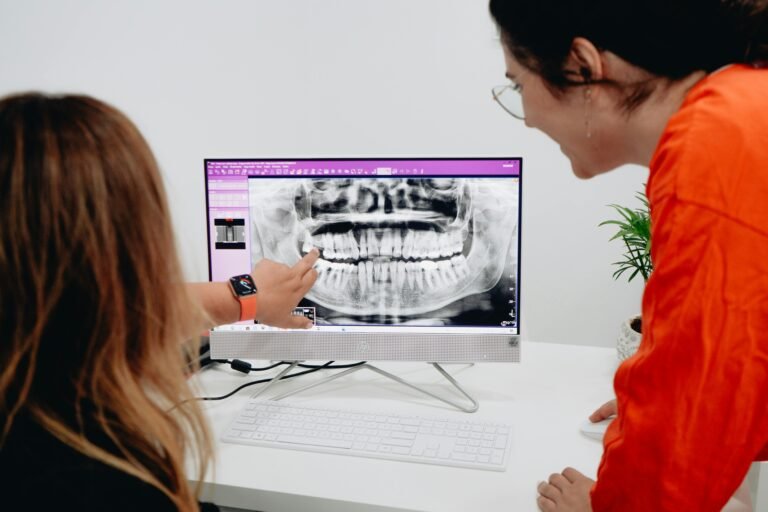
High-quality intraoral images, digital radiographs, animations, and treatment simulation software allow dentists to show patients exactly what is happening in their oral health. Seeing the condition often makes the explanation clearer and strengthens patient acceptance of recommended treatments.

Visual tools also help simplify complex concepts, allowing dentists to explain diagnoses and procedures in a more engaging and memorable way.

Digital Communication Etiquette with Patients

With the rise of messaging platforms, email communication, and online consultations, digital communication between dentists and patients has become increasingly common. While these tools improve accessibility, they must be used with professional etiquette.

Dentists should maintain clear boundaries when communicating digitally, ensuring that messages remain professional, concise, and respectful. Protecting patient privacy is also essential, which means avoiding sharing sensitive information through unsecured platforms.

Timely responses, clear instructions, and respectful language help maintain trust and professionalism in digital interactions with patients.

Common Digital Errors and How to Avoid Them

While digital tools improve efficiency, they can also introduce new challenges if not used carefully. Common digital communication mistakes include incomplete documentation, unclear digital consent forms, misinterpretation of messages, and improper storage of patient information.

To avoid these issues, dentists should follow consistent documentation protocols, verify patient understanding during digital consent processes, and ensure that all digital communication complies with privacy and ethical standards.

Regular training and awareness of best practices in digital communication help prevent errors and maintain the quality of patient care.

The Future of Digital Communication in Dentistry

Digital tools are rapidly becoming central to modern dental practice. Dentists who learn to use technology effectively can improve patient education, strengthen trust, and create more transparent treatment discussions.

By combining clinical expertise with thoughtful use of digital communication tools, dental professionals can enhance both patient experience and practice efficiency in today’s evolving healthcare environment.

Dentist–Patient Trust Framework | Building Long-Term Trust in Dental Practice

Trust is one of the most valuable assets in any healthcare relationship. In dentistry, where patients often experience anxiety, uncertainty, or financial concerns, trust plays a critical role in treatment acceptance and long-term patient loyalty.

Patients are more likely to follow treatment recommendations, return for regular care, and refer others when they trust their dentist. Trust does not develop instantly—it grows gradually through consistent behavior, transparent communication, and ethical practice.

The Dentist–Patient Trust Framework focuses on understanding how trust is built, what behaviors strengthen it, and how dentists can maintain meaningful long-term relationships with their patients.

What Builds Trust in Healthcare Relationships

Trust in healthcare begins with the patient’s perception of competence, honesty, and empathy. Patients need to feel confident that their dentist has the necessary expertise to diagnose and treat their condition effectively.

However, clinical skill alone is not enough. Patients also value clear explanations, genuine concern for their well-being, and the ability to communicate in a calm and reassuring manner.

Simple actions such as listening carefully, answering questions patiently, and explaining treatment options in understandable language can significantly strengthen patient confidence. When patients feel respected and informed, they are more comfortable placing their trust in their dentist.

Consistency and Transparency in Practice

Consistency is one of the strongest foundations of trust. Patients notice patterns in how a dentist communicates, explains treatments, and manages appointments. When these interactions remain consistent over time, patients develop confidence in the reliability of the practice.

Transparency is equally important. Patients appreciate honesty about diagnoses, treatment options, costs, and possible outcomes. Clear communication prevents misunderstandings and reinforces the dentist’s credibility.

When dentists openly discuss both the benefits and limitations of treatment, patients perceive the information as more trustworthy. Transparency reduces uncertainty and helps patients make well-informed decisions about their oral health.

Ethical Behavior as a Trust Multiplier

Ethical practice strengthens trust at every stage of the dentist–patient relationship. When patients believe that their dentist prioritizes their well-being over financial or personal interests, trust grows naturally.

Ethical behavior includes recommending treatments based on genuine clinical need, respecting patient autonomy, maintaining confidentiality, and providing accurate information without exaggeration.

Patients often recognize ethical behavior through subtle cues—such as balanced treatment recommendations, honest discussions about alternatives, and a willingness to respect patient choices. These behaviors reinforce the dentist’s professional integrity and deepen patient trust.

Communication Habits That Erode Trust

While trust can take time to build, it can be weakened quickly by poor communication. Certain habits unintentionally create doubt or discomfort for patients.

For example, rushing through explanations, using overly technical language, dismissing patient concerns, or appearing impatient can make patients feel undervalued. Lack of clarity about treatment costs or outcomes can also create suspicion or confusion.

Inconsistent information between different members of the dental team can further weaken patient confidence. Recognizing these communication pitfalls allows dentists to avoid behaviors that may undermine trust.

Measuring and Sustaining Long-Term Trust

Trust should not be viewed as a one-time achievement but as an ongoing process. Dentists can sustain long-term trust by maintaining open communication, delivering consistent care, and continuously improving patient experience.

Patient feedback is a valuable tool for understanding how the practice is perceived. Listening to patient concerns, addressing complaints respectfully, and making improvements based on feedback demonstrate commitment to patient-centered care.

Regular follow-ups, clear treatment updates, and compassionate communication also reinforce trust over time. When patients feel that their dentist genuinely cares about their long-term well-being, the relationship becomes stronger and more enduring.

The Power of Trust in Dental Practice

A strong dentist–patient relationship built on trust leads to better treatment outcomes, higher patient satisfaction, and long-term loyalty. Patients who trust their dentist are more comfortable discussing their concerns and more confident in their treatment decisions.

By combining ethical practice, consistent communication, and genuine empathy, dentists can create a practice environment where trust becomes the foundation of every patient interaction.

Clinical Communication & Empathy Training for Dentists | Improve Patient Trust & Case Acceptance

Clinical expertise is only one part of successful dental practice. Equally important is the ability to communicate effectively with patients and respond with genuine empathy. Strong clinical communication helps dentists build trust, reduce patient anxiety, improve treatment acceptance, and create lasting patient relationships.

This training module focuses on developing practical communication skills that help dentists connect with patients in a meaningful and professional manner while maintaining ethical standards.

Active Listening in Clinical Settings

Active listening is one of the most powerful tools in healthcare communication. Patients often arrive with concerns, fears, and expectations that may not always be expressed clearly. Dentists who practice active listening create an environment where patients feel heard and valued.

Active listening involves giving patients full attention, maintaining eye contact, and allowing them to complete their thoughts without interruption. It also includes acknowledging their concerns through verbal and non-verbal cues. When patients feel genuinely listened to, they become more comfortable discussing their symptoms and treatment preferences.

For dentists, this skill helps gather accurate information, improves diagnosis, and strengthens patient trust from the very first interaction.

Explaining Procedures in Patient-Friendly Language

Dental procedures can sound complex and intimidating to patients. One of the most important communication skills for dentists is the ability to translate clinical terminology into simple, patient-friendly language.

Patients are more likely to accept treatment when they clearly understand the procedure, its benefits, and what to expect during and after treatment. Using relatable explanations, visual aids, and simple analogies can help patients grasp dental concepts easily.

When dentists explain procedures in a calm, structured, and understandable way, they reduce patient anxiety and increase confidence in the recommended treatment plan.

Responding to Patient Concerns with Empathy

Many patients experience fear, discomfort, or past negative experiences when visiting a dental clinic. Empathy plays a crucial role in addressing these emotions.

An empathetic response acknowledges the patient’s feelings without dismissing them. Simple statements such as “I understand that this can feel uncomfortable” or “Many patients feel the same way, and we’ll go step by step” can significantly reassure patients.

Empathy also involves patience, respectful communication, and adapting the conversation according to the patient’s emotional state. When patients feel understood rather than judged, they become more cooperative and trusting during treatment.

Managing Expectations During Treatment Planning

Clear communication during treatment planning helps prevent misunderstandings later. Patients need to understand the timeline, possible outcomes, costs, and limitations of treatment.

Dentists who set realistic expectations early build credibility and avoid disappointment. Transparent discussions about alternative treatment options, risks, and long-term maintenance empower patients to make informed decisions.

Managing expectations is not just about providing information; it is about guiding patients through the decision-making process in a supportive and professional way.

Ethical Communication and Professional Boundaries

Ethical communication forms the foundation of responsible dental practice. Dentists must ensure that their conversations with patients are honest, transparent, and respectful.

Maintaining professional boundaries while being compassionate is essential. This includes respecting patient autonomy, obtaining informed consent, maintaining confidentiality, and avoiding any form of misleading communication.

Ethical communication strengthens professional credibility and reinforces the patient’s confidence in the dentist’s integrity.

The Impact of Communication & Empathy in Dental Practice

Dentists who develop strong clinical communication and empathy skills often experience higher patient satisfaction, better treatment acceptance, and stronger long-term patient relationships. These skills transform routine consultations into meaningful patient interactions and elevate the overall quality of care.

By combining clinical expertise with compassionate communication, dentists can create a practice environment where patients feel informed, respected, and confident in their dental care.

How to Choose and Care for Your Toothbrush: Expert Tips for Better Oral Health

0

Maintaining good oral hygiene starts with one of the most basic tools we use every day — the toothbrush. While brushing twice daily is widely recommended, many people overlook an important question: Are you using and caring for your toothbrush the right way?

Dental experts emphasize that proper toothbrush selection, usage, and maintenance play a crucial role in keeping teeth and gums healthy.

Choosing the Right Toothbrush

Today, there are many types of toothbrushes available in the market, including manual, electric, and specially designed brushes for children or orthodontic patients. The choice of toothbrush should depend on the individual needs of the patient.

Most dentists recommend a soft-bristled toothbrush, as it effectively removes plaque while being gentle on the gums and enamel. Hard bristles can damage gum tissue and wear down tooth enamel over time.

For children, toothbrushes should be smaller in size and easy to hold, allowing them to develop proper brushing habits early. Parents should guide young children while brushing to ensure effective cleaning.

Patients undergoing orthodontic treatment (braces) may require specially designed toothbrushes that can clean around brackets and wires more efficiently.

How Often Should You Change Your Toothbrush?

One of the most common questions in dental care is: “How often should I replace my toothbrush?”

Dentists generally recommend changing your toothbrush every three months. Over time, the bristles become worn and less effective at cleaning teeth.

However, a toothbrush should be replaced even earlier if the bristles become frayed. Worn bristles cannot remove plaque properly and may lead to poor oral hygiene.

Another important situation where toothbrush replacement is advised is after recovering from an illness, such as a cold, flu, or infection. This helps prevent the possibility of reinfection.

Proper Toothbrush Hygiene

Maintaining your toothbrush properly is just as important as using it.

After brushing, always rinse the toothbrush thoroughly under running water to remove toothpaste and debris. Then shake off the excess water and store it upright in a clean, open container so that it can dry properly.

Keeping a wet toothbrush in a closed container may promote bacterial growth, which is not ideal for oral hygiene.

It is also important to store toothbrushes separately from those of other family members. Sharing toothbrushes or allowing them to touch each other can lead to the transfer of bacteria.

Avoid Common Toothbrush Mistakes

Many people make simple mistakes that can affect their dental health.

For example:

  • Do not press too hard while brushing.
  • Do not use the same toothbrush for too long.
  • Do not share toothbrushes with others.

Gentle brushing with proper technique is more effective than aggressive brushing.

The Key to Healthy Teeth

A toothbrush may seem like a simple tool, but it plays a powerful role in maintaining healthy teeth and gums. Choosing the right toothbrush, replacing it regularly, and storing it hygienically can significantly improve your oral health.

Combined with twice-daily brushing, good oral hygiene habits, and regular dental checkups, these small steps can go a long way in preventing dental problems and ensuring a confident, healthy smile.

Toothache Relief: What To Do (and What Not To Do) When Your Tooth Hurts

A toothache can appear suddenly and disrupt your entire day—or even keep you awake at night. Many people try to ignore the discomfort or depend on quick home remedies, hoping the pain will disappear on its own. However, tooth pain is rarely random. In most cases, it is a warning sign that something is wrong with your dental health. Understanding the causes of toothaches and knowing the right steps to take can help prevent a small problem from turning into a serious dental condition.

Why Do Toothaches Happen?

One of the most common causes of toothache is tooth decay, also known as cavities. Cavities develop when bacteria in the mouth produce acids that gradually damage the enamel, the outer protective layer of the tooth. As the decay spreads deeper into the tooth, it can reach the sensitive inner layers and eventually the nerve. This often results in severe pain, especially while eating, drinking, or lying down at night.

Another frequent reason for tooth pain is gum infection or gum disease. Early signs may include bleeding gums, swelling, redness, or tenderness while brushing or chewing. If gum disease is left untreated, the infection can spread deeper into the tissues and bone that support the teeth. This can cause persistent discomfort and even lead to loose teeth over time.

Toothaches may also occur due to injuries or dental trauma. Biting down on very hard foods, accidental falls, sports injuries, or other accidents can lead to cracks, fractures, or damage to the tooth structure. Sometimes these cracks are not visible but can still cause sharp pain when chewing or sensitivity to hot and cold foods.

What You Can Do for Temporary Toothache Relief

If you suddenly experience tooth pain, there are a few simple measures that may provide temporary relief until you are able to visit a dentist.

Rinsing your mouth with warm salt water can help reduce inflammation and clean the affected area. The salt solution may also help soothe irritated gums.

Applying a small amount of clove oil to the painful tooth using a cotton swab may provide short-term pain relief. Clove oil contains natural compounds that have mild numbing and antibacterial properties.

If food particles are stuck between your teeth, gently removing them using dental floss can sometimes relieve pressure and reduce discomfort.

Over-the-counter pain relievers may help manage the pain temporarily, but they should only be used as a short-term solution and not as a substitute for professional dental care.

It is important to remember that these remedies only reduce symptoms—they do not treat the underlying dental problem.

What You Should Avoid During a Toothache

Many people unknowingly make mistakes that can worsen tooth pain or increase infection.

Avoid placing heat or hot compresses on a swollen area of the face, as heat can sometimes increase the spread of infection.

Do not place painkiller tablets directly on the gums or tooth. The chemicals in the tablet can burn or damage the delicate tissues in the mouth.

It is also best to avoid very hot, cold, acidic, or hard foods, as these can aggravate sensitive teeth and increase pain.

When to See a Dentist

While temporary remedies may reduce discomfort for a short time, they are not a permanent solution. If your toothache lasts more than a day, or if it is accompanied by swelling, bleeding gums, persistent pain, fever, or difficulty chewing, you should see a dentist as soon as possible.

Depending on the cause of the pain, treatment may include professional dental cleaning, cavity fillings, root canal treatment, or other dental procedures to restore the health of the tooth.

The Key Message

A toothache is not just a minor inconvenience—it is your body’s way of telling you that something needs attention. Seeking dental care early can prevent complications, reduce pain quickly, and help save your natural tooth.

If your tooth pain does not go away, do not ignore it. Consult your dentist promptly and get the right treatment at the right time.

Periodontitis Explained: Why You Should Never Ignore Gum Disease

Healthy gums are the foundation of a healthy smile. However, many people ignore early warning signs of gum problems until the condition becomes severe. One of the most common yet often overlooked oral health conditions is periodontitis, a serious form of gum disease that affects the tissues supporting the teeth.

Understanding the causes, symptoms, and prevention of periodontal disease can help protect your teeth and overall oral health.

What Is Periodontitis?

Periodontitis is an advanced stage of gum infection that occurs when bacteria accumulate around the teeth and gums. It usually begins as gingivitis, a mild inflammation of the gums caused by plaque buildup.

If gingivitis is not treated early, the infection can spread deeper into the gum tissues and bone supporting the teeth. Over time, this can lead to loosening of teeth, gum recession, and even tooth loss.

This is why dentists emphasize the importance of early detection and regular dental check-ups.

Common Symptoms of Gum Disease

Many patients ignore the early signs of gum disease because they appear minor. However, recognizing these symptoms early can prevent serious complications.

Some common signs of periodontitis include:

  • Bleeding gums while brushing or flossing
  • Swollen, red, or tender gums
  • Persistent bad breath
  • Gum recession (gums pulling away from the teeth)
  • Loose teeth or discomfort while chewing

If these symptoms persist, it is important to consult a dentist as soon as possible.

Causes of Periodontal Disease

The primary cause of periodontitis is the buildup of plaque and tartar on the teeth. Plaque is a sticky bacterial film that forms on teeth after eating.

When plaque is not removed through proper brushing and flossing, it hardens into tartar, which can only be removed by a dentist through professional cleaning.

Other factors that may increase the risk of gum disease include:

  • Poor oral hygiene habits
  • Smoking or tobacco use
  • Certain medical conditions such as diabetes
  • Hormonal changes
  • Weak immune system

These factors can make the gums more vulnerable to bacterial infections.

Why Regular Dental Check-ups Matter

One of the biggest mistakes patients make is ignoring minor gum problems. Many people believe that bleeding gums are normal, but this is often the first warning sign of gum disease.

Regular dental visits help detect early signs of periodontal infection before it becomes severe. Dentists can remove plaque and tartar deposits and recommend treatments that prevent further damage to the gums and bone.

Early treatment not only protects your teeth but also improves overall oral health.

How to Prevent Gum Disease

Preventing gum disease is easier than treating it in advanced stages. A few simple habits can significantly reduce the risk:

  • Brush your teeth twice daily
  • Floss regularly to remove plaque between teeth
  • Visit your dentist for routine check-ups
  • Maintain a balanced diet for healthy gums
  • Avoid tobacco products

Good oral hygiene and preventive dental care play a crucial role in maintaining healthy gums and strong teeth.

Final Thoughts

Periodontitis is a common but preventable dental condition. By recognizing early symptoms, maintaining proper oral hygiene, and visiting your dentist regularly, you can prevent gum disease from progressing into serious oral health problems.

Taking care of your gums today ensures a healthier smile for years to come.

Dental Myths vs Facts: What Dentists Want You to Know

0

Despite the growing awareness about oral health, many people still believe in common dental myths that can lead to fear and confusion. From concerns about tooth removal affecting eyesight to the belief that teeth cleaning loosens teeth, these misconceptions often prevent patients from seeking timely dental care.

Let’s look at some of the most common dental myths and the facts behind them.

Myth 1: Tooth Removal Can Affect Your Eyes

One of the most surprising myths dentists hear from patients is that removing a tooth can affect eyesight. This misconception likely arises because the nerves supplying the upper teeth are located near nerves that also supply areas around the nose and eyelid.

During certain dental procedures, local anesthesia may cause temporary numbness around the nose or lower eyelid. This sensation usually lasts only 30 to 45 minutes and disappears once the anesthesia wears off.

However, there is no direct connection between tooth extraction and vision loss. In fact, the roots of the teeth are separated from the eye socket by a thick layer of bone, making it impossible for routine dental procedures to affect the eyes.

Myth 2: Teeth Cleaning Makes Teeth Loose

Another common concern among patients is that teeth become loose after professional cleaning (scaling).

In reality, teeth do not become loose because of scaling. Instead, deposits known as tartar or calculus accumulate around teeth due to bacterial buildup. Over time, these deposits damage the surrounding gums and bone.

Interestingly, tartar may temporarily hold teeth together like a hard layer. When a dentist removes this buildup during scaling, patients may feel slight movement in teeth that were already weakened by gum disease.

The purpose of teeth cleaning is to remove harmful bacteria and prevent further bone loss, not to loosen teeth.

Myth 3: White Teeth Are Always Healthy Teeth

Many people believe that perfectly white teeth indicate excellent oral health. However, tooth color naturally varies from person to person.

The outer layer of the tooth, called enamel, is naturally milky white, while the inner layer, known as dentin, has a slightly yellow shade. As enamel gradually wears down with age, more of the dentin becomes visible, giving teeth a slightly darker appearance.

This is a normal and natural process and does not necessarily indicate poor oral health.

Over-brushing in an attempt to achieve whiter teeth can actually wear away enamel and make teeth appear more yellow over time.

Myth 4: Sugar-Free Soft Drinks Are Safe for Teeth

Many people switch to diet or sugar-free soft drinks thinking they are safer for their teeth. However, soft drinks still contain acidic components such as carbon dioxide, which can weaken tooth enamel.

Even without sugar, acidic beverages can erode enamel and increase the risk of tooth sensitivity and decay.

A healthier option is to reduce the consumption of soda and choose natural drinks like fresh juices, buttermilk, or coconut water whenever possible.

Myth 5: Electric Toothbrushes Are Always Better

Electric toothbrushes are often marketed as superior to traditional toothbrushes. While they can be useful, they were originally designed for people who have difficulty using manual brushes, such as individuals with limited hand mobility.

For most people, a manual toothbrush used with the correct technique is just as effective for maintaining oral hygiene.

The key to good oral health is brushing twice daily with proper technique and regular dental checkups, regardless of the type of toothbrush used.

The Bottom Line

Dental myths can create unnecessary fear and prevent people from seeking proper care. Understanding the facts helps patients make better decisions about their oral health.

Regular dental visits, proper brushing habits, and a balanced diet are the best ways to maintain healthy teeth and gums.

Remember, when in doubt about dental health, consult a qualified dentist rather than relying on myths or misinformation.

Hidden Tooth Decay: Early Signs of Cavities You Should Never Ignore

Tooth decay does not always begin with severe pain or visible damage. In many cases, cavities develop silently beneath the surface, making them difficult for patients to detect early. This condition is often referred to as hidden tooth decay.

Understanding these warning signs can help patients seek treatment early and avoid complex procedures like root canal treatment or tooth extraction.

What Is Hidden Tooth Decay?

Most people assume that cavities are easy to identify because they appear as visible holes or dark spots on the teeth. However, this is not always the case.

In many situations, bacteria begin damaging the inner layers of the tooth while the outer enamel remains intact. This creates the illusion that the tooth is healthy, even though decay may be progressing underneath.

By the time the cavity becomes visible, the damage may already be extensive.

Early Signs of Tooth Decay You Should Watch For

Even when cavities are not visible, the body often gives subtle warning signals. Recognizing these early signs can help prevent further damage.

1. Sensitivity to Sweets

One of the earliest symptoms of tooth decay is a sudden sharp sensation when eating sweets. If you feel a quick “electric-like” sensation that disappears within seconds, it could indicate the beginning of a cavity.

If this symptom keeps repeating in the same tooth, it is advisable to visit a dentist for evaluation.

2. Food Getting Stuck Between Teeth

Another common early sign of hidden cavities is food getting lodged repeatedly between two teeth.

Many people try to remove trapped food using toothpicks, safety pins, or sharp objects. However, frequent food lodgement usually means there may already be decay developing between the teeth, which requires professional treatment.

Dentists often detect these cavities using intraoral cameras or dental X-rays, which reveal damage that may not be visible to the naked eye.

3. Sudden Sensitivity Without Visible Damage

Sometimes a tooth may feel sensitive to cold, sweet, or acidic foods, even though it appears perfectly normal.

This happens because bacteria may already be affecting the inner layers of the tooth, gradually weakening the structure from within.

Ignoring such symptoms can allow the infection to reach the tooth pulp, leading to severe damage.

What Happens When Tooth Decay Is Ignored?

When cavities are not treated in time, bacteria continue to spread deeper into the tooth.

Eventually, the nerve inside the tooth can die, resulting in what dentists call a “dead tooth.” Surprisingly, this stage may not always cause pain because the nerve is no longer active.

However, a dead tooth can still harbor bacteria and infection, which may lead to abscess, swelling, or bone damage if left untreated. At this stage, root canal treatment is usually required to save the tooth.

Why Regular Dental Checkups Are Important

Many dental problems remain silent for long periods, which is why dentists strongly recommend regular dental checkups every six months.

Routine examinations allow dentists to detect cavities early, often before they cause pain or visible damage.

Early treatment is simpler, more comfortable, and helps preserve more of the natural tooth structure.

Changes in Oral Health With Age

As people grow older, certain changes in the mouth can increase the risk of cavities.

For example:

  • Gum recession can expose sensitive areas of the tooth.
  • Reduced saliva flow may make teeth more vulnerable to decay.
  • Food may get trapped more easily between teeth.

Because of these changes, maintaining oral hygiene may require additional tools such as interdental brushes or water flossers to keep the spaces between teeth clean.

Final Thoughts

Hidden tooth decay is more common than many people realize. Because cavities can develop without obvious symptoms, paying attention to early warning signs like tooth sensitivity, food lodgement, and minor discomfort is extremely important.

Regular dental visits, proper oral hygiene, and early treatment can help prevent serious complications and maintain a healthy smile for years to come.